
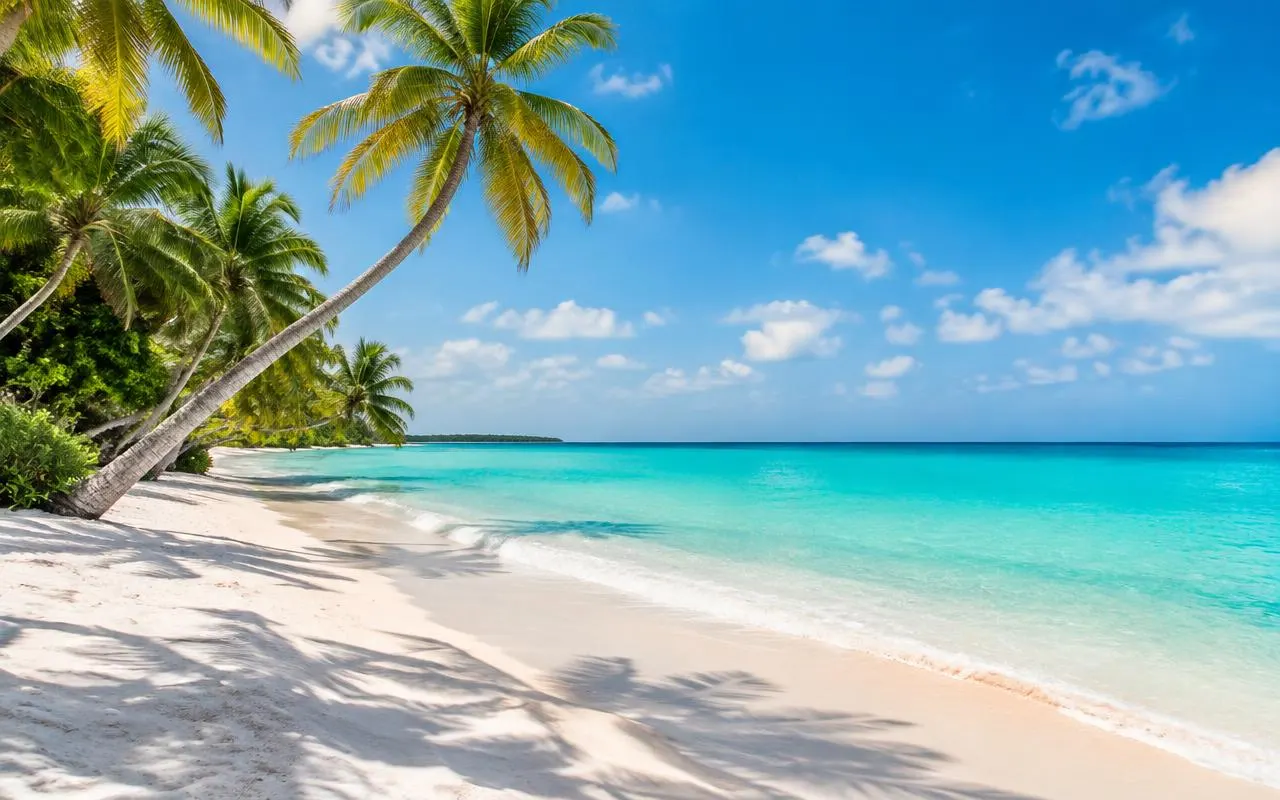
Winter Sun Destinations: 10 Tropical Escapes for December to March
22 October 2026 · 26 min read
When the days shorten, the heating clicks on and the sky settles into a flat grey lid, the idea of warm sand under bare feet stops being a fantasy and starts looking like a plan. Winter sun travel is one of the most popular ways to break up the cold months, and for good reason: a week of light, warmth and salt water can reset your energy in a way that a long weekend at home rarely does. This guide brings together the best winter sun destinations and tropical escapes for travel between November and March, organised by month, by budget and by the kind of trip you want, from easy short-haul sunshine to long-haul island adventures.
We focus on places that are genuinely warm and dry in the northern winter, explain the weather patterns that catch travelers out, and suggest quieter alternatives to the most crowded hotspots. You will also find sample itineraries, a packing list, safety advice and practical notes on costs. Weather is always a matter of probability rather than promise, so treat the temperatures here as typical averages and check a current forecast before you book.
Why Chase Winter Sun?
The most obvious reason is the weather itself. Much of Europe and North America sees eight or nine hours of daylight in December, often less in the far north, and that lack of light affects mood, sleep and energy for many people. A destination near the tropics offers eleven to twelve hours of daylight, strong sunshine and warm evenings, which makes even a short break feel restorative.
There is also a practical case. Many tropical destinations have their dry season during the northern winter, which means the best weather of their year lines up neatly with the worst weather of yours. Sri Lanka's south and west coasts, Thailand's Andaman coast, the Caribbean, Mexico's Yucatan peninsula and the Maldives all enjoy their most settled conditions between December and April. Travel in these months and you are not compromising: you are visiting at the ideal time.
Finally, winter sun can be good value if you plan well. Outside the Christmas and New Year peak and the February school holidays, January and early March often bring lower flight prices and calmer resorts. Booking early, travelling midweek and staying flexible on dates can make a winter escape cost less than a summer holiday in the same place.
How to Choose Your Winter Sun Destination
Before you fall for a photograph of a palm-lined bay, think through a few key questions. The right answer depends less on the destination and more on how much time, money and energy you have.
Flight time and time zones
Flight time matters more on a short trip. If you have a week, a seven-hour flight with a one or two hour time difference, such as from Western Europe to the Canary Islands or from the eastern United States to the Caribbean, leaves you with almost the whole week to enjoy. A long-haul trip to Southeast Asia or the Indian Ocean typically needs at least ten days to justify the journey and the jet lag, and two weeks is better.
How warm is warm enough?
Winter sun covers a broad range. The Canary Islands, Madeira and southern Morocco offer spring-like warmth of around 20 to 24°C in the day, which is perfect for walking and sightseeing but can feel cool for swimming. True tropical destinations such as Thailand, Sri Lanka, the Maldives and the Caribbean sit at 28 to 32°C with sea temperatures to match. Decide whether you want pleasant warmth or proper heat before you compare prices.
Budget and style
Some destinations reward independent budget travel, with guesthouses, street food and cheap local transport. Others, like the Maldives or many Caribbean islands, are built around resorts and can be expensive once you add meals and transfers. Think about the total cost per day on the ground, not just the flight price.
Crowds and the "quiet alternative"
The most famous winter sun spots fill up quickly, especially over the holidays. Throughout this guide we suggest quieter alternatives that offer similar weather with fewer crowds and often lower prices. Choosing a neighbouring island or a less famous stretch of coast can transform your experience.
Seasonal risks
Every tropical region has a wet season, and some have a cyclone or hurricane season. The Atlantic hurricane season officially runs from June to November, so the Caribbean is generally a safe bet from December onwards. The Indian Ocean and Southeast Asia have monsoons that shift between coasts, which is why one side of Sri Lanka or Thailand can be perfect while the other side is rainy. We explain these patterns destination by destination below.
Where Is Warm in Winter: Month by Month
Use this section as a quick calendar. The temperatures given are typical daytime highs, and conditions vary from year to year.
November
November is a transition month. The Caribbean is coming out of hurricane season and becomes more reliable towards the end of the month. The Canary Islands remain comfortable at around 24°C. In Asia, Thailand's Andaman coast around Phuket and Krabi starts to dry out, while the Gulf islands of Koh Samui and Koh Phangan are often at their wettest. The UAE and Oman are excellent, with the fierce summer heat easing to the high twenties. Egypt's Red Sea coast is warm and sunny.
December
December brings the start of high season across much of the tropics. Sri Lanka's south and west coasts usually settle into their dry season, the Maldives enters its sunniest months, and the Caribbean and Mexico are warm, dry and busy. Expect higher prices over Christmas and New Year, so book early or travel in the first two weeks of the month for better value.
January
January is arguably the best month for winter sun in many places. Thailand's Andaman coast, Sri Lanka's south coast, the Maldives, the Caribbean, Mexico and Costa Rica are all in their dry seasons. It is also a good month for deals after the holiday rush, especially in the second half of the month. The Canary Islands and Cape Verde are reliable short-haul choices for Europeans, though the sea is cooler.
February
February offers similar conditions to January with slightly longer, warmer days in the Northern Hemisphere tropics. It is peak season in the Caribbean and Mexico, and school half-term holidays in Europe push up prices in mid-February. Bali is in its wet season, but rain usually falls in short afternoon bursts, so it remains an option for flexible travelers.
March
March is a sweet spot. The dry seasons of Southeast Asia, Sri Lanka and the Caribbean continue, while crowds begin to thin. Thailand's Gulf islands start to improve, and the heat is building in mainland Southeast Asia. In the Canary Islands and southern Spain, temperatures climb again, making them pleasant for both walking and beach days.
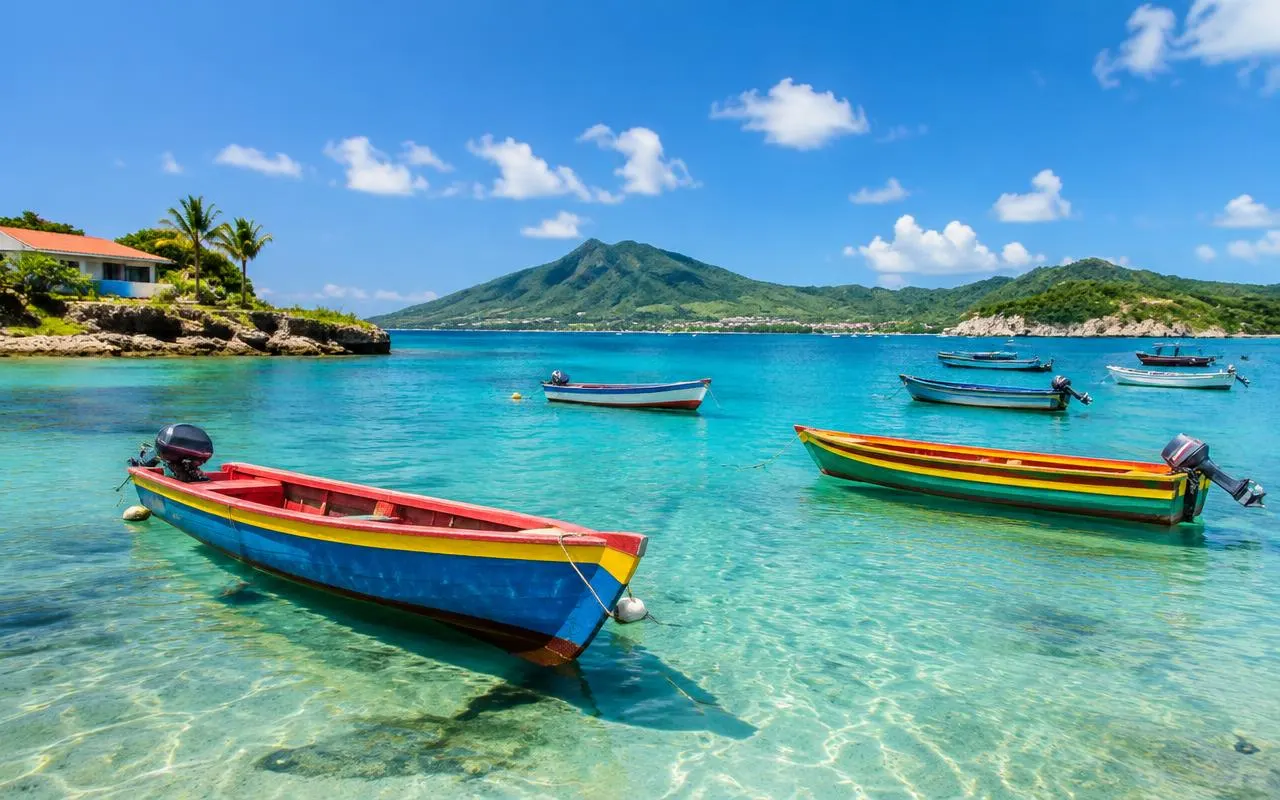
The Best Winter Sun Destinations
Here are ten of the most rewarding winter sun and tropical escapes, with notes on when to go, what to expect and who each place suits best.
1. Sri Lanka's South Coast
Sri Lanka's south coast is one of the most rewarding winter sun destinations in Asia. From December to April, the beaches between Hikkaduwa and Tangalle are typically warm, sunny and calm, with sea temperatures around 28°C. The coast combines palm-fringed bays, surf breaks for every level, whale watching off Mirissa and the historic Galle Fort, so it suits travelers who want more than a sun lounger. Read our South Coast Sri Lanka travel guide for town-by-town detail, and our Galle Fort guide for the colonial old town.
Sri Lanka is compact enough to combine beaches with culture and wildlife. You can add a few nights in the hill country for tea plantations and cooler air, or a safari in Yala National Park, which is close to the eastern end of the south coast. Our full Sri Lanka travel guide covers routes, costs and transport. Quiet alternative: skip busier Unawatuna and Mirissa for Hiriketiya, Talalla or the long beaches near Tangalle.
Best for: surfers, couples, culture lovers and travelers who want good value long-haul sunshine.
2. Thailand's Andaman Coast
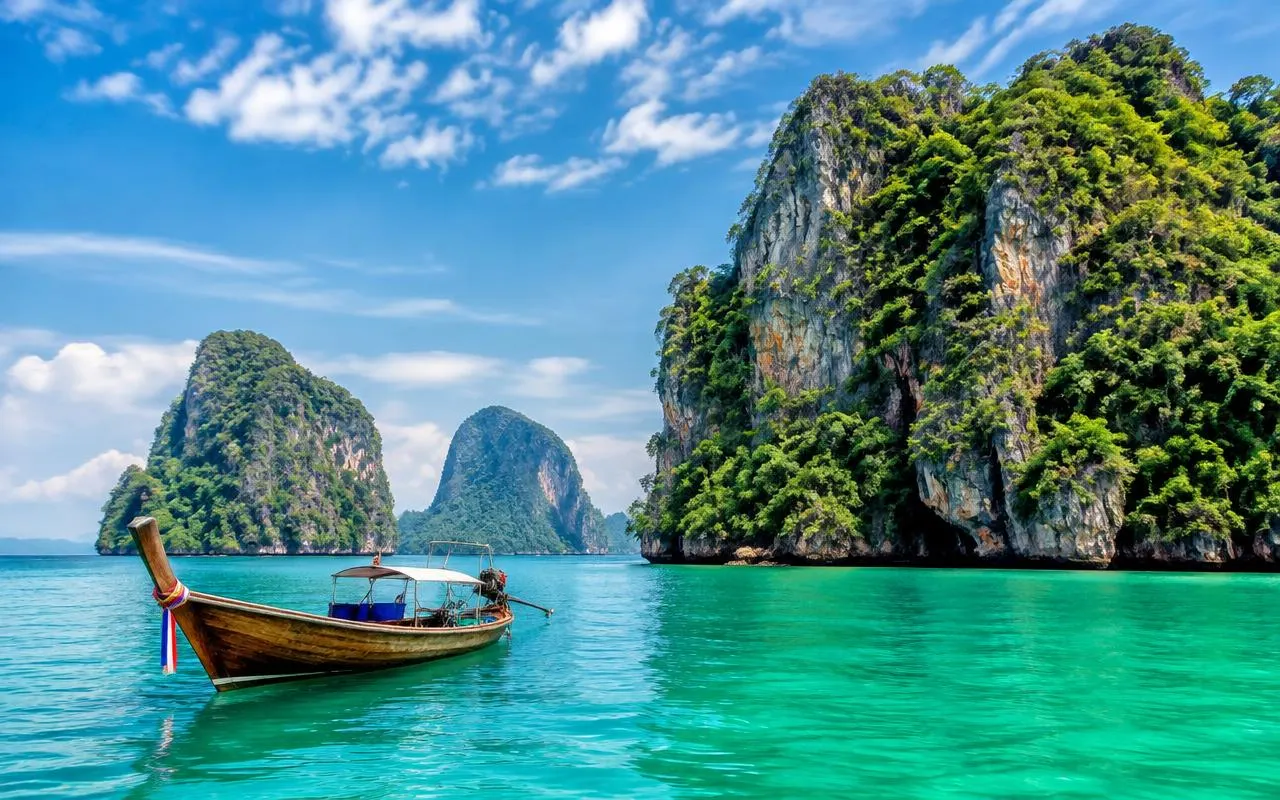
Between November and April, Thailand's Andaman coast, which includes Phuket, Krabi, Koh Lanta and the Phi Phi islands, enjoys its dry season. Expect clear skies, calm seas and highs of 31 to 33°C. The dramatic limestone karst scenery around Railay and Phang Nga Bay is some of the most photographed in the world, and island-hopping by longtail boat is a highlight.
Phuket is the easiest to reach and has the widest choice of hotels, but it can feel busy and developed. Krabi and Koh Lanta offer a more relaxed pace, while the smaller islands of Koh Yao Noi and Koh Mook give you a real escape. Thai food, friendly service and good-value accommodation make the region a favourite for first-time long-haul travelers. If you are flying via Bangkok, our Bangkok street food guide makes a great stopover companion.
Best for: island-hoppers, food lovers, families and first-time visitors to Asia.
3. The Maldives
The Maldives is the definition of a tropical escape: overwater villas, powder-white sand and some of the clearest water on the planet. The northeast monsoon brings the driest, sunniest weather from December to April, with calm seas that are ideal for snorkelling and diving. Manta rays, reef sharks and turtles are common sightings on house reefs.
The Maldives has a reputation for luxury, and many resorts are expensive once you add seaplane transfers and full board. However, guesthouses on local islands such as Maafushi, Thoddoo and Dhigurah have opened the country to mid-range and budget travelers. Note that local islands follow conservative customs, alcohol is not served, and bikini beaches are designated areas.
Best for: honeymooners, divers, snorkellers and anyone who wants total relaxation.
4. The Caribbean: Barbados, Aruba and Beyond
From mid-December to April, the Caribbean is dry, breezy and around 28 to 30°C, with the hurricane season well behind it. Barbados combines beautiful west coast beaches with lively rum shops and a strong food scene. Aruba, outside the main hurricane belt and with very low rainfall, is one of the most reliable sun destinations in the region. Antigua is famous for having a beach for every day of the year, and St Lucia offers dramatic volcanic peaks and rainforest.
Quiet alternatives include Grenada, with its spice plantations and uncrowded beaches, Dominica for hiking and nature, and the smaller Grenadine islands such as Bequia and Carriacou. Prices peak over Christmas and in February, so January and March are often the best value months.
Best for: North American travelers on short trips, couples, beach lovers and sailors.
5. Mexico's Yucatan Peninsula
Cancun, Playa del Carmen and Tulum offer reliable winter sunshine from December to April, along with Mayan ruins, cenotes for swimming and excellent food. Temperatures sit around 28°C, and the Caribbean Sea is warm and turquoise. The region is easy to reach from North America and has direct flights from many European cities.
The resort strip around Cancun can feel crowded, so consider basing yourself in smaller towns such as Bacalar, with its freshwater lagoon of seven colours, or Isla Holbox, a car-free island with sandy streets. Seasonal sargassum seaweed can affect some beaches, often more in late spring and summer, so check recent reports and choose your beach accordingly.
Best for: culture and beach combinations, families and travelers from North America.
6. The Canary Islands
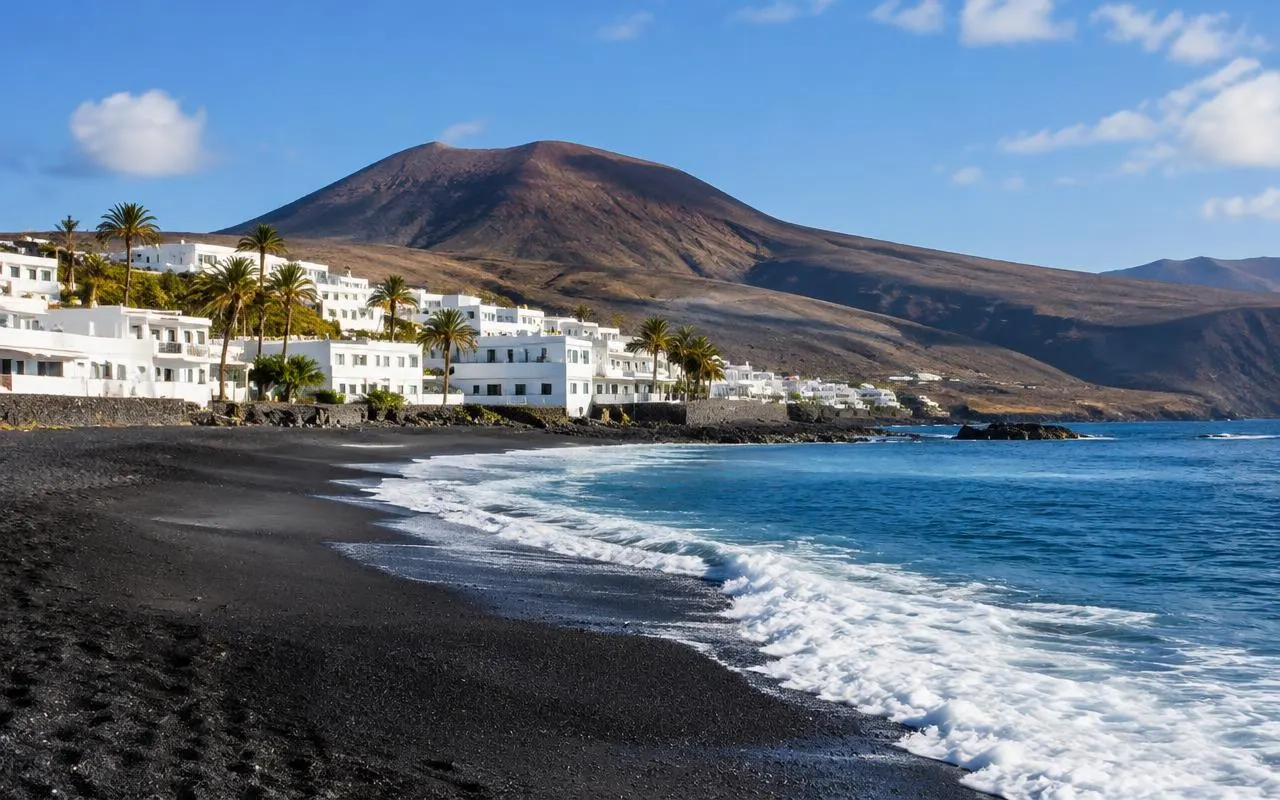
For European travelers, the Canary Islands are the easiest winter sun escape. Just four hours from much of the UK and Western Europe, they offer daytime highs of 20 to 24°C throughout winter, earning their nickname as the islands of eternal spring. Tenerife and Gran Canaria have the most choice of resorts, while Lanzarote's volcanic landscapes and white villages feel more distinctive. Fuerteventura has long golden beaches and steady winds for kitesurfing.
The sea is cooler than in the tropics, typically around 19 to 20°C in winter, so the Canaries suit those who want warmth for walking, cycling and sightseeing as much as swimming. Quiet alternatives include La Gomera, with its laurel forests and deep ravines, and La Palma, known for clear skies and stargazing. The south side of each island tends to be sunnier and drier than the north.
Best for: short breaks, walkers, families and travelers who prefer to avoid long flights.
7. Cape Verde
Cape Verde, off the coast of West Africa, is a step warmer than the Canaries, with winter highs of around 25 to 27°C and very little rain. Sal and Boa Vista are the main resort islands, known for long white beaches, strong trade winds and excellent kitesurfing. Turtles nest on Boa Vista in summer, but winter offers whale watching for humpbacks between February and May.
The islands of Santo Antao and Sao Vicente are better for hiking, music and culture, and are far less developed. Be aware that the trade winds can make beaches breezy, and that occasional dust haze from the Sahara can reduce visibility.
Best for: Europeans who want guaranteed warmth within six hours, kitesurfers and all-inclusive holidays.
8. Bali, Indonesia
Bali's dry season runs from roughly April to October, so winter is technically its wet season. That said, rain in Bali usually arrives as short, heavy afternoon downpours, with plenty of sunshine in the mornings. Prices can be lower, rice terraces are lush and green, and the island remains warm at around 30°C.
If you visit in winter, base yourself in areas with plenty to do indoors and out, such as Ubud for culture, yoga and food, or Sanur and Nusa Dua on the calmer east and south coasts. Our Bali travel guide covers the island's regions and best times in detail. Quiet alternative: the Gili Islands or Lombok, though they share similar rainfall patterns.
Best for: flexible travelers, wellness seekers and those who do not mind tropical showers.
9. Dubai and Oman
The Arabian Peninsula is unbearably hot in summer but delightful in winter, with daytime highs of 24 to 28°C from November to March. Dubai offers beach clubs, desert safaris, world-class shopping and an easy, safe city break with sunshine. Oman feels more traditional, with dramatic mountains, wadis for swimming, forts and long empty beaches.
Muscat, the Musandam Peninsula with its fjord-like inlets, and the desert of Wahiba Sands are all highlights. Evenings in the desert can be cool, so bring a light layer. Both destinations are around six to seven hours from Western Europe and act as convenient stopovers on the way to Asia.
Best for: short-haul luxury, families, desert adventures and combining city and beach.
10. Costa Rica
Costa Rica's dry season, from December to April, brings sunny skies to its Pacific coast, particularly Guanacaste and the Nicoya Peninsula. This is a winter sun destination for active travelers: surf in Santa Teresa and Nosara, walk through cloud forests, spot sloths and toucans, and soak in hot springs near the Arenal volcano. Read our Costa Rica wildlife guide for ideas on planning a nature-focused trip.
The Caribbean side, including Puerto Viejo, has a different weather pattern and can be rainy in winter, so check before you book. Costa Rica is not a budget destination by Central American standards, but its national parks and wildlife are exceptional.
Best for: wildlife lovers, surfers, adventurous couples and families with older children.
Budget vs Luxury Winter Escapes
Your budget will shape your choice of destination as much as the weather. Here is how the main options compare.
Best budget winter sun
For value, Southeast Asia and Sri Lanka are hard to beat. Once you have paid for the long-haul flight, daily costs for comfortable guesthouses, meals and local transport are modest compared with Europe or the Caribbean. In Sri Lanka, a clean double room near the beach often costs less than a single restaurant meal at home, and Thai street food is famously cheap and delicious.
Closer to Europe, the Canary Islands, southern Morocco around Agadir and Taghazout, and Egypt's Red Sea resorts offer good value packages, especially in January and early March. Self-catering apartments, low-cost flights and avoiding school holidays keep costs down.
Mid-range sweet spots
Mexico's Yucatan, Cape Verde, Oman and Costa Rica sit in the middle. You can find boutique hotels, guesthouses and good restaurants without paying luxury prices, though costs vary widely between places and seasons.
Luxury escapes
The Maldives, the Seychelles, Mauritius, Barbados, St Barts and Antigua are classic luxury winter sun destinations, with overwater villas, private beaches and fine dining. If you want a luxury feel at a lower price, consider a high-end boutique hotel in Sri Lanka, Thailand or Bali, where premium service costs a fraction of Caribbean rates.
Quiet Alternatives to Crowded Hotspots
Overtourism is a growing concern, and many travelers are now looking for calmer places that offer similar experiences. Here are some swaps worth considering:
Instead of Phuket, try Koh Lanta, Koh Yao Noi or Koh Kradan for quiet beaches and a slower pace.
Instead of Mirissa or Unawatuna in Sri Lanka, consider Hiriketiya, Talalla or Kalpitiya.
Instead of Cancun, try Bacalar, Holbox or Mahahual on the Costa Maya.
Instead of Tenerife, consider La Gomera, La Palma or El Hierro.
Instead of Dubai, explore Oman's coastline and mountains.
Instead of the busiest Caribbean islands, look at Grenada, Dominica, Bequia or the British Virgin Islands by boat.
Instead of the most famous Maldives resorts, stay at a local island guesthouse.
Choosing a quieter alternative usually means fewer crowds, more authentic experiences and often lower prices. It also spreads the economic benefits of tourism more widely.
Sample Winter Sun Itineraries
These sample itineraries show how to make the most of a week or two of winter sunshine. Adjust them to your pace and interests.
7-day winter sun escape: the Canary Islands
Day 1: Arrive in Lanzarote and settle into a base in Playa Blanca or a rural house near Haria.
Day 2: Visit Timanfaya National Park to see volcanic landscapes, followed by a drive through the wine region of La Geria.
Day 3: Spend the day at Papagayo beaches, a series of sheltered coves in the south of the island.
Day 4: Explore the work of artist Cesar Manrique at Jameos del Agua and the Mirador del Rio viewpoint.
Day 5: Take the ferry to Fuerteventura for the dunes of Corralejo and a long beach walk.
Day 6: Enjoy a slow day of swimming, cycling or a kitesurf lesson.
Day 7: Shop at the Teguise market if it is Sunday, then fly home.
7-day winter sun escape: Barbados
Day 1: Arrive and check into a hotel on the calm west coast.
Day 2: Snorkel with turtles in Carlisle Bay and explore Bridgetown.
Day 3: Drive to the rugged east coast and Bathsheba's rock formations.
Day 4: Tour a rum distillery and enjoy lunch at a local fish fry.
Day 5: Take a catamaran cruise along the coast.
Day 6: Join the Friday night fish fry at Oistins.
Day 7: Relax on the beach before your flight.
14-day tropical escape: Sri Lanka
Days 1 to 2: Arrive in Colombo and transfer to Negombo or directly to the south coast.
Days 3 to 5: Base yourself in Galle Fort and explore the ramparts, cafes and nearby beaches of Unawatuna and Jungle Beach.
Days 6 to 8: Move to Mirissa or Weligama for whale watching, surfing lessons and beach time.
Days 9 to 10: Relax in Hiriketiya or Tangalle on quieter beaches.
Days 11 to 12: Take a safari in Yala National Park to look for leopards and elephants.
Days 13 to 14: Travel through the hill country to Ella and finish with a scenic train journey, or return to the coast for a final beach day.
14-day tropical escape: Thailand's islands
Days 1 to 3: Arrive in Phuket or Krabi and stay in Railay or Ao Nang for limestone scenery and kayaking.
Days 4 to 7: Take the ferry to Koh Lanta for long beaches, quiet villages and national park walks.
Days 8 to 10: Island-hop to Koh Mook or Koh Kradan for snorkelling and a true escape.
Days 11 to 13: Return to the mainland and explore Phang Nga Bay or the Khao Sok rainforest.
Day 14: Fly home from Phuket or Krabi, or connect through Bangkok.
Packing for a Winter Sun Holiday
Packing for winter sun has one unique challenge: you leave home in cold weather and arrive in heat. Wear layers you can remove on the plane, and keep a light change of clothes in your hand luggage so you can switch into summer clothes on arrival.
Essentials to pack include:
Reef-safe, high-factor sunscreen, since tropical sun is much stronger than you may be used to in winter.
A wide-brimmed hat and good sunglasses with UV protection.
Lightweight, breathable clothing in cotton or linen.
A light rain jacket or packable umbrella for tropical showers.
A modest cover-up for visiting temples, mosques and local villages.
Insect repellent containing DEET or picaridin.
A reusable water bottle, ideally with a filter where tap water is not safe.
Sandals, plus comfortable walking shoes for hikes and sightseeing.
Snorkel and mask if you plan to spend time in the water.
A basic first aid kit with rehydration salts, plasters and any personal medication.
A universal travel adaptor and power bank.
Health and Sun Safety
After months of little daylight, skin is especially vulnerable to burning. Apply sunscreen generously and often, particularly after swimming, and avoid the strongest sun between 11am and 3pm. Remember that the sun is stronger near the equator, and that reflections from water and sand increase exposure. Children need extra care, including sun suits and shade.
Stay hydrated, as heat and humidity can lead to dehydration quickly, especially if you are drinking alcohol. Eat at busy places with high turnover, wash your hands before meals and be cautious with ice and salads where water quality is uncertain.
Check vaccination and health requirements for your destination well before departure. Speak to a travel health clinic or your doctor at least six to eight weeks before you travel. Some tropical areas carry a risk of mosquito-borne diseases such as dengue fever, so protect yourself from bites with repellent, long sleeves at dusk and accommodation with screens or nets.
Sea safety is often overlooked. Rip currents are common on many tropical beaches, particularly during the transition between seasons. Swim at beaches with lifeguards where possible, follow flag warnings, ask locals about conditions and never swim alone or after drinking. If you are caught in a rip current, do not fight it; swim parallel to the shore until you are free, then head back to land.
Travel Insurance, Hurricanes and Monsoons
Comprehensive travel insurance is essential for any long-haul trip. Make sure it covers medical treatment, repatriation, cancellation and any activities you plan to do, such as scuba diving, surfing or motorbike riding. Check whether it covers disruption caused by severe weather.
The Atlantic hurricane season runs from June to November, with the highest risk typically from August to October. Travel to the Caribbean and Mexico from mid-December onwards greatly reduces the risk. In the Indian Ocean, cyclones can affect parts of the region at different times, and the monsoon patterns of Sri Lanka, India and Southeast Asia shift between coasts:
Sri Lanka's south and west coasts are driest from December to April, while the east coast, around Trincomalee and Arugam Bay, is best from May to September.
Thailand's Andaman coast is best from November to April, while the Gulf islands of Koh Samui and Koh Phangan are often wettest from October to December.
The Maldives enjoys its driest months from December to April.
Bali's dry season is April to October.
Understanding these patterns means you can choose the right coast at the right time, and plan a backup if the weather changes.
Responsible Winter Sun Travel
Tropical destinations face real pressures from tourism, from water shortages and plastic waste to damaged coral reefs and rising costs for local communities. A few simple choices can make your trip more positive:
Stay in locally owned guesthouses and eat in family-run restaurants so more of your spending stays in the community.
Use reef-safe sunscreen and never touch or stand on coral.
Choose wildlife experiences that keep a respectful distance, such as responsible whale watching and ethical elephant sanctuaries that do not offer riding.
Refill a water bottle instead of buying plastic, and say no to straws and single-use bags.
Respect local dress codes and customs, especially in religious sites and conservative communities.
Consider fewer, longer trips rather than many short-haul flights, and travel overland between places where possible.
Visit in shoulder months or choose quieter alternatives to spread tourism more evenly.
What Does a Winter Sun Holiday Cost?
Costs vary widely, but these rough daily ranges per person, excluding international flights, can help you plan:
Sri Lanka, Thailand and Bali: budget travelers can manage on a modest daily budget with guesthouses, local food and public transport. Mid-range travelers with boutique hotels, private drivers and some tours will spend more, and luxury travelers can spend many times that.
Canary Islands, Cape Verde and Morocco: package holidays offer good value, with independent travelers spending a mid-range amount for self-catering and car hire.
Mexico and Costa Rica: mid-range costs are similar to southern Europe, with national park fees, tours and transfers adding up.
Caribbean, Maldives and Dubai: expect higher prices, particularly for resorts, dining and transfers.
Booking flights two to four months in advance, travelling outside school holidays and comparing package deals with independent bookings can save money. Mid-January and early March are often the best value windows for winter sun.
Winter Sun With Children
Travelling with children changes the priorities. Shorter flights, small time differences and gentle, shallow beaches matter more than remote islands or adventurous itineraries. The Canary Islands are a favourite for families from Europe because the flight is short, the time zone barely shifts and resorts offer pools, playgrounds and calm lagoons. In the Caribbean, Barbados, Aruba and Antigua have family-friendly hotels with kids' clubs and sheltered west-facing bays.
For long-haul family trips, Thailand and Sri Lanka work well with older children who enjoy new food, wildlife and boat trips. Choose hotels with shade and a pool, plan downtime in the hottest part of the afternoon and keep travel days short. Carry snacks, a refillable bottle and plenty of sunscreen, and build in a rest day after the flight to help everyone adjust to the heat and the time change.
School holidays are the most expensive weeks of the winter sun calendar, so book flights and family rooms as early as possible. If your children are not yet at school, travelling in January or March brings quieter resorts and better prices.
Working Remotely in the Sun
A growing number of travelers combine winter sun with remote work, staying several weeks rather than one. Places such as Ahangama in Sri Lanka, Canggu in Bali, Las Palmas in Gran Canaria and Playa del Carmen in Mexico have reliable internet, coworking spaces and long-stay apartments. Check visa rules carefully, since tourist visas do not always permit work, and look for accommodation with a proper desk.
Quick Answers to Common Winter Sun Questions
Where is the hottest place to go in winter?
For reliable heat of 30°C and above between December and March, look at Thailand's Andaman coast, Sri Lanka's south coast, the Maldives, the Caribbean and Mexico's Yucatan. These destinations are all in their dry seasons at that time.
What is the closest winter sun destination to Europe?
The Canary Islands are the closest reliable winter sun destination for most of Europe, about four hours from the UK, with daytime highs around 20 to 24°C. Madeira, southern Morocco and Egypt's Red Sea coast are other short to mid-haul options.
Where is the cheapest winter sun?
Sri Lanka and Thailand offer some of the lowest daily costs once you arrive, while the Canary Islands, Egypt and Morocco can be cheapest overall for Europeans because flights are short and packages are competitive.
When is the best time for winter sun?
January and early March often combine excellent weather with lower prices. December is good but becomes expensive over Christmas and New Year, while February can be busy during school holidays.
Is the Caribbean good in winter?
Yes. From mid-December to April, the Caribbean is dry, warm and outside hurricane season. It is peak season, so book early and consider January or March for better value.
Is Bali good in winter?
Bali is in its wet season from roughly November to March, but rain usually comes in short afternoon showers. It is still warm and can be a good-value option for flexible travelers.
Can I combine winter sun with culture?
Absolutely. Sri Lanka, Mexico, Thailand and Oman combine beaches with temples, ruins, forts, food and wildlife, making them ideal if you want variety.
Plan Your Winter Escape
Winter does not have to mean months of grey skies. Whether you want a four-hour hop to the Canary Islands, a week of Caribbean rum punch and turquoise water, or a two-week adventure through Sri Lanka's beaches and wildlife parks, there is a warm escape to suit your budget and style. Start by deciding how much time you have and how warm you want it to be, then pick the destination whose dry season fits your dates. Book early for the holiday peak, travel in January or March for better value, and consider a quieter alternative for a more relaxed experience. With a little planning, the coldest months of the year can become the brightest part of your calendar.
Sources and Further Reading
UK Met Office climate information for typical temperatures and rainfall.
US National Hurricane Center for Atlantic hurricane season information.
Sri Lanka Tourism for official visitor information.
Tourism Authority of Thailand for destination and seasonal guidance.
Visit Maldives for island and resort information.
UK Foreign Travel Advice for safety, entry and health requirements.