
Yala National Park Safari Guide: Wildlife, Best Time and Ethical Travel Tips
10 October 2026 · 15 min read
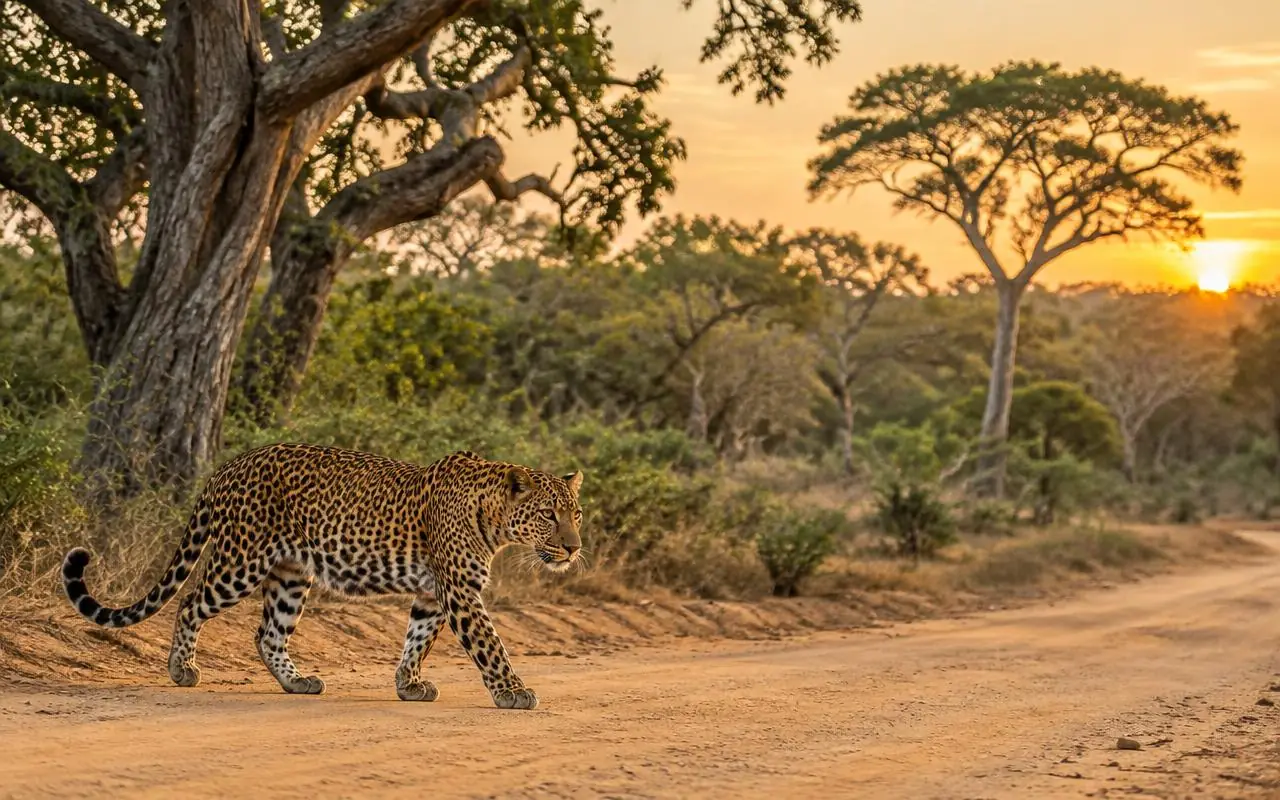
Yala National Park is where Sri Lanka’s dry-zone wilderness meets the Indian Ocean. Pale tracks wind between thorny scrub, monsoon forest, rocky outcrops, seasonal lagoons and grassland. A peacock may cross the road before sunrise; spotted deer pause beneath palu trees; mugger crocodiles rest beside shrinking pools. Somewhere beyond the cover, a Sri Lankan leopard may be watching. That possibility has made Yala the island’s most famous safari destination, but the park rewards visitors who look beyond a single headline animal.
This guide explains how to plan a Yala National Park safari without turning the experience into a leopard checklist. It covers entrances, seasons, wildlife, tickets, transport, accommodation, ethical jeep choices and a realistic one-day plan. Conditions, fees and temporary closures can change, so use this as an evergreen framework and confirm operational details with the official park before travelling.
Yala National Park at a glance
Yala lies in Sri Lanka’s southeast, across parts of the Southern, Uva and Eastern provinces. The protected landscape is divided into several management blocks, alongside a Strict Nature Reserve that is not open to ordinary tourism. The wider complex protects roughly 979 square kilometres, while visitor access concentrates in selected blocks and changes according to conservation needs.
The park became a wildlife sanctuary in 1900 and a national park in 1938. Its habitats are unusually varied: dry monsoon forest, thorn scrub, open plains, freshwater tanks, brackish lagoons, rocky inselbergs and a wild coastline all sit within one connected landscape. That variety explains Yala’s rich mix of mammals, birds, reptiles and plant life.
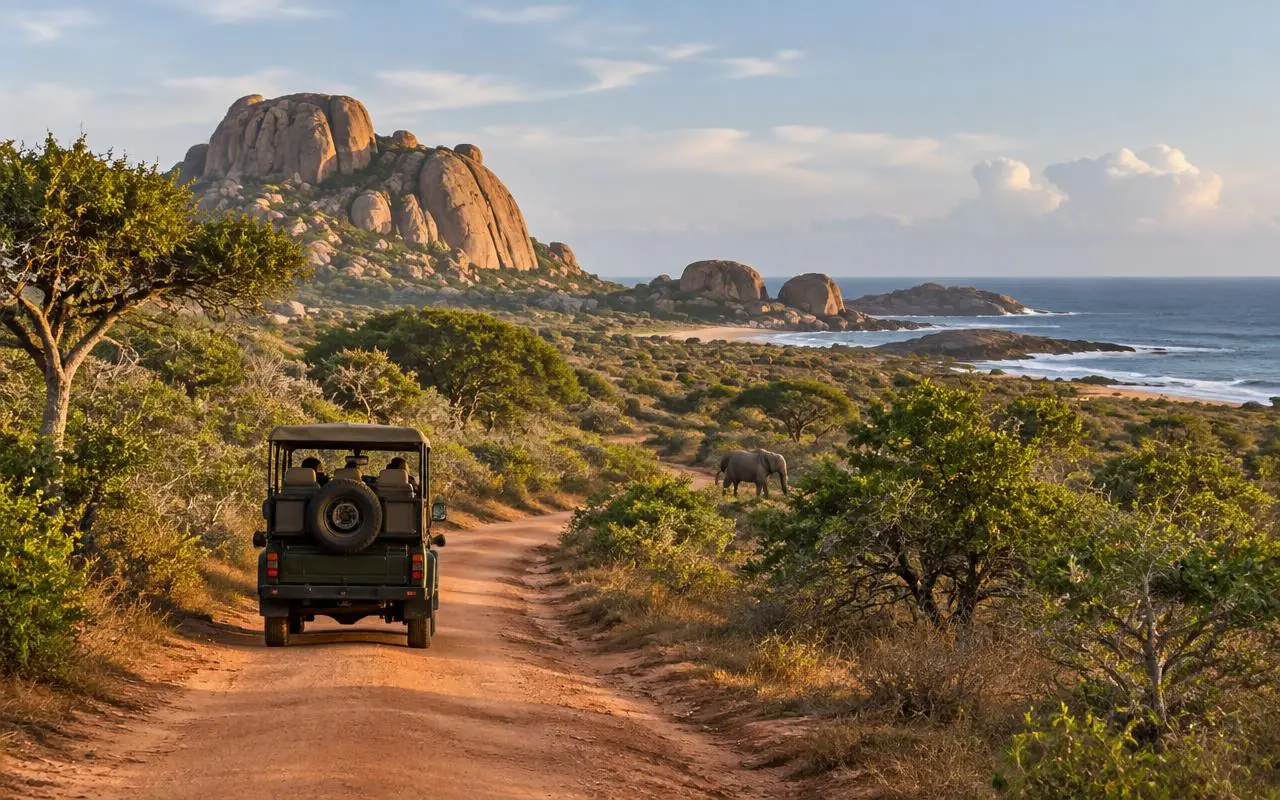
Standard visitor hours are generally 6:00 a.m. to 6:00 p.m. Safaris take place in open-sided four-wheel-drive jeeps. Tissamaharama, often shortened to Tissa, is the most convenient base for the popular Palatupana entrance. Kataragama is useful for the Katagamuwa and Galge sides. Your operator should confirm the correct gate for the block open on your date.
Why Yala is special
Yala is celebrated for Sri Lankan leopards, an endemic subspecies and the island’s largest terrestrial predator. Research in Block I has documented an exceptionally healthy population, although the familiar claim that Yala has the “world’s highest leopard density” is difficult to compare consistently across countries and studies. The honest promise is not a guaranteed sighting. It is the chance to explore excellent leopard habitat with skilled eyes searching for tracks, alarm calls and movement.
The larger story is ecological diversity. Asian elephants move through scrub and around tanks. Sri Lankan sloth bears sometimes appear when palu fruit is in season. Water buffalo wallow in mud, wild boar forage at the verge, golden jackals trot across open ground, and troops of toque macaques occupy the trees. Spotted deer are common, but watching their ears turn toward a warning call can be as absorbing as photographing a predator.
Yala is also an important bird area. Painted storks, lesser adjutants, pelicans, spoonbills, egrets and herons feed around wetlands. Malabar pied hornbills, bee-eaters, junglefowl, peafowl and raptors animate the forest and open sky. Along the coast, marine influence meets terrestrial wilderness in a combination found in few national parks.
Wildlife you may see on safari
A good naturalist treats every drive as a sequence of clues. Leopards are most active during cooler hours and may rest on a branch, cross a track or disappear into scrub within seconds. A cluster of stopped jeeps does not always mean an animal remains visible. Sometimes the better choice is to continue quietly and let your driver interpret fresh pugmarks or the sharp alarm bark of a spotted deer.
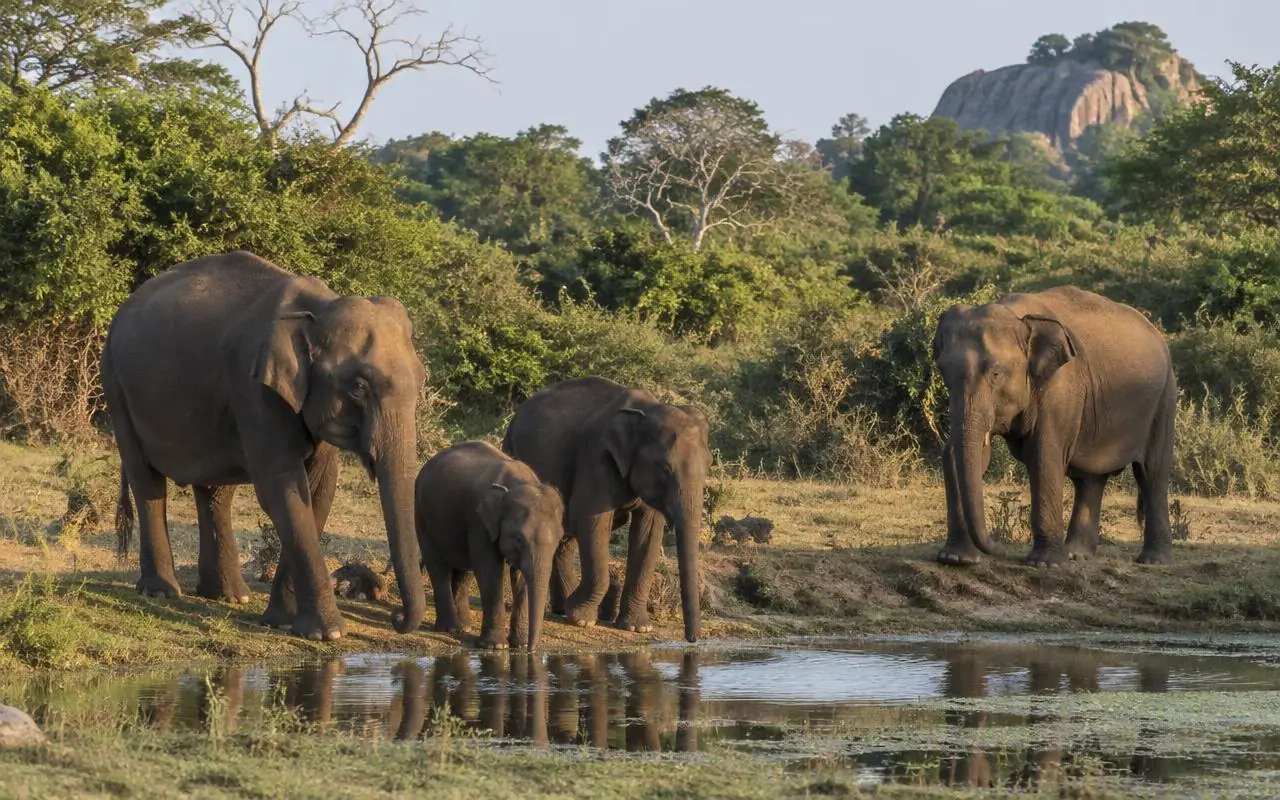
Elephants are less predictable in Yala than in parks famous for large seasonal gatherings. You might meet a solitary bull beside the track, a family at a tank or no elephants at all. Give them space. An elephant blocking the road is not an invitation to edge closer; a calm driver will stop, switch off and allow the animal to decide what happens next.
Sloth bears are among the park’s most sought-after sightings and should be considered a bonus. They are powerful, shy mammals that feed on termites, fruit and other seasonal foods. Crocodiles, land monitors and water monitors are easier to observe around wet areas. Sambar, hares, mongooses and civets may appear, while smaller creatures often reward guests who put down the camera and scan slowly.
Understanding Yala’s blocks and entrances
Block I is the best-known safari area. Most first-time visitors enter through Palatupana, reached from Tissamaharama via Kirinda. It offers a dense network of tracks, varied habitats and a strong history of leopard sightings. Those advantages also make it the busiest area. During popular months, several jeeps may converge when news of a leopard travels between drivers.
Katagamuwa provides another approach from the Kataragama side and can suit travellers staying north or northwest of the park. Access arrangements and the precise areas reached from each gate can change, so do not choose accommodation based on a gate name alone. Ask your lodge or operator which entrance the safari will use and how long the transfer takes before booking.
Galge is associated with Yala’s western and northern visitor areas and is often discussed as a quieter alternative. It may remain useful when the most visited blocks take their seasonal conservation break, but no block should be assumed open without a current check. Less traffic can create a calmer drive, while wildlife sightings remain naturally unpredictable.
For a first visit, Block I is a reasonable choice when open, particularly if leopard habitat is a priority. Travellers more interested in solitude, birding or a slower safari should ask about alternatives. The “best” block is the one that balances lawful access, seasonal conditions, your interests and acceptable vehicle pressure on the day.
Best time to visit Yala National Park
Yala is open for much of the year, but the experience changes with water, heat and rainfall. From roughly February into the middle of the year, increasingly dry conditions reduce vegetation around some tracks and draw animals toward remaining water. This can improve visibility, especially near tanks. The hottest weeks can also be dusty and demanding, with harsh midday light.
The northeast monsoon usually brings more rain to southeastern Sri Lanka from around October into January. Rain refreshes the landscape, fills wetlands and turns the park greener. Birdlife can be excellent, and moody skies suit photography, but dense growth and wet tracks may make mammals harder to spot. Short tropical downpours should not automatically cancel a safari; bring protection for cameras and follow local safety advice.
Yala commonly closes its busiest block or blocks for a conservation rest during part of the late dry season, often for several weeks around September and October. Exact dates are announced according to annual conditions and should never be copied from an old article. Before paying for a hotel or safari, confirm the current closure notice with the Department of Wildlife Conservation, the official park information service or a reputable local operator.
Morning, afternoon or full-day safari?
Choose a morning safari if this is your first visit, wildlife photography matters, or your Sri Lanka itinerary allows only one drive. Pick-up may be well before dawn so the jeep can reach the gate for opening. Pack a light layer because the moving vehicle can feel cool before sunrise, even when the day becomes hot.
An afternoon drive works well for travellers arriving from the south coast or Ella that morning. The first hours may be quiet in the heat, followed by increasing activity as shadows lengthen. Afternoon light can be beautiful around water and open plains. Confirm the final exit time because every vehicle must leave before the gate closes.
A full-day safari suits patient naturalists who understand that long hours can include long periods without a headline sighting. Ask where meals and comfort breaks occur, whether shade is available and whether the operator follows designated stopping rules. Spending all day in one jeep solely to chase leopards can add fatigue and wildlife pressure without making the experience richer.
Tickets, jeeps and booking
A Yala visit has separate moving parts: park admission, applicable taxes or service charges, the safari jeep, and sometimes a naturalist or tracker arrangement. Rates change, and online descriptions do not always include the same items. Ask for a written total showing what is included rather than comparing only the largest number on a booking page.
Foreign visitor, local visitor and child rates may differ. Jeep prices also vary with drive length, pick-up location, vehicle condition, private or shared use, and whether a specialist guide joins. Avoid using a historic dollar figure as your budget. Check the current official fee schedule and obtain a fresh quote for your exact date and group size.
Reserve ahead during busy travel periods, but ask practical questions before paying. Which entrance will you use? Is park admission included? How many passengers share the jeep? Does every forward-facing seat have a reasonable view? Will the driver obey speed limits and avoid crowding animals? What is the cancellation policy if a block closes or heavy weather affects access?
A lower quote is poor value if six adults are squeezed into a vehicle, the windscreen is damaged or the driver races between sightings. A responsible operator maintains the jeep, carries required documentation, explains gate procedures and makes no guarantee of seeing a leopard. Wildlife cannot be scheduled, and an ethical company will say so.
How to get to Yala
Tissamaharama is the usual hub for Palatupana safaris. The town has accommodation across many budgets, restaurants, shops and easy jeep pick-up. Kirinda, closer to the coast, can shorten the drive to the gate and offers a quieter setting. Kataragama is a pilgrimage town with convenient access to the park’s western side. Some lodges sit in buffer-zone countryside, where travel time depends on the chosen entrance.
From Colombo, the journey is approximately 260 to 300 kilometres depending on the route and final hotel. A private car using the southern expressway commonly takes around five to six hours with stops, but traffic can change that. Buses are cheaper and slower. Travellers following the coast often approach via Galle, Mirissa, Tangalle or Hambantota.
From Ella, road travel to Tissamaharama commonly takes about two and a half to four hours depending on vehicle, traffic and stops. Shared tourist transfers are widely offered, while public buses require more flexibility. Do not schedule a dawn safari immediately after a late arrival; a rested driver and rested visitor make better decisions.
There is no railway station at the park. The most useful rail journeys end elsewhere, followed by road transport. Arrange the last transfer with your accommodation and specify whether you are staying in Tissa, Kirinda, Kataragama or a remote lodge. Similar marketing phrases such as “near Yala” can conceal very different gate transfer times.
Where to stay near Yala
Tissamaharama offers the broadest choice and is practical for travellers using buses or continuing across Sri Lanka. It is also a pleasant destination in its own right, with a large ancient tank and excellent evening birdlife. Choose a property that can explain its safari partner clearly rather than simply adding an unknown jeep to your room bill.
Kirinda suits visitors who want coastal atmosphere and quick access toward Palatupana. Kataragama combines safari convenience with one of Sri Lanka’s most important sacred towns. Dress respectfully around religious sites and recognise that festival periods can make accommodation and roads busy.
What to pack for a Yala safari
Wear lightweight neutral clothing that protects against sun and dust. Bright colours do not automatically prevent sightings, but muted clothing is less distracting. Closed shoes or secure sandals are sufficient because guests remain in the vehicle except at approved stops. A brimmed hat, sunglasses and high-protection sunscreen are useful after sunrise.
Carry water in a reusable bottle, but do not leave any waste. Bring binoculars even if your main aim is photography. A soft cloth and sealable bag protect electronics from dust; a rain cover helps in wetter months. Long camera lenses are useful, yet a phone can capture landscapes and memories without dominating the experience.
How to choose an ethical Yala safari
Responsible tourism begins before the gate. Choose an operator willing to discuss animal welfare, speed, distance and crowding. Statements such as “guaranteed leopard” or “our driver gets closest” are warning signs. A professional guide frames sightings as shared, uncertain encounters and values birds, tracks, plants and landscapes alongside large mammals.
Inside the park, never encourage a driver to overtake dangerously, block an animal’s path or leave the approved track. If jeeps crowd a leopard, ask your driver to hang back or move on. One calm observation from a distance is more meaningful than adding another engine to a stressful wall of vehicles.
Keep voices low. Do not clap, whistle, play calls, feed animals or use flash to force a reaction. Remain inside the jeep unless staff identify an official stopping point. Yala is not a zoo: a leopard can vanish, an elephant can change direction, and a crocodile that appears motionless is still wild.
Drivers respond to customer incentives. Praise patient behaviour, tip for knowledge rather than proximity, and leave an honest review that mentions rule-following. If you witness serious harassment, note the jeep number, time and place without starting a confrontation in the field, then report it to park authorities or your booking company.
Wildlife sightings circulate quickly by phone and radio, producing “jeep jams.” You can reduce pressure by asking for a slower route, visiting a less crowded block when legally open or accepting that missing one sighting is part of ethical wildlife watching. The quality of a safari should be measured by understanding, not a species tally.
A realistic one-day Yala itinerary
The best one-day plan starts the previous afternoon. Reach Tissamaharama or your chosen base before sunset, confirm the entrance and total fees with the operator, charge devices and request breakfast. Go to bed early rather than arriving from Ella at midnight and climbing straight into another vehicle.
Around 4:45 to 5:15 a.m., meet the jeep, depending on hotel distance and gate arrangements. Carry water, binoculars and a light layer. At the entrance, your driver handles permits while you remain patient; queues can occur. Once inside at about 6:00 a.m., spend the cool opening hours reading tracks and exploring varied habitats instead of demanding an immediate race to a leopard report.
Pause only where permitted. Notice peafowl calling, deer listening and the changing plant communities between forest and wetland. If a responsible sighting develops, allow everyone a view, keep quiet and leave space. Exit in the late morning, return for breakfast or lunch, shower and rest.
Use the afternoon to visit Tissa’s tank, relax at your lodge or continue to the south coast. Travellers who book a second drive can re-enter later for different light and activity, but two safaris in one day are optional. A single attentive morning can be more rewarding than twelve exhausted hours.
Is Yala National Park worth visiting?
Yala is worth visiting if you accept uncertainty, choose a responsible operator and appreciate the whole landscape. It offers one of Sri Lanka’s strongest combinations of predator habitat, elephants, dry-zone birds, wetlands, rocky scenery and coastline. It also faces real pressure from popularity, especially when too many vehicles focus on the same animal.
Visitors seeking guaranteed close leopard photographs may leave frustrated or contribute to crowding. Visitors who enjoy signs, behaviour, light, habitats and chance are more likely to understand what makes the park extraordinary. If quieter wildlife watching is your highest priority, compare other Sri Lankan parks and ask about less visited Yala blocks rather than following the busiest default automatically.
Frequently asked questions
Can I visit Yala without a safari jeep?
Ordinary wildlife drives require an authorised safari vehicle and must follow park routes and regulations. You cannot wander through the park independently. Arrange a jeep through a reputable operator or accommodation, and confirm that permits and required staff are included.
Are leopards guaranteed in Yala?
No. Yala supports an important Sri Lankan leopard population, but sightings depend on weather, vegetation, animal movement, guide skill and luck. Reject any operator promising a guaranteed leopard. A safari remains valuable for elephants, birds, reptiles and the landscape.
How much does a Yala safari cost?
The total combines changing park charges with jeep and optional guiding costs. Prices depend on nationality, age, group size, duration and inclusions. Request a current itemised quote and compare like with like. Historic blog prices become inaccurate quickly.
When does Yala close?
The busiest areas commonly take a conservation break for several weeks around the end of the dry season, often near September and October. Dates and affected blocks vary. Check an official current-year notice before reserving non-refundable travel.
Is a half-day safari enough?
Yes for many first-time visitors. A morning half-day covers the best cool hours and avoids midday fatigue. Two half-days can provide more variety than one full day. No duration guarantees a particular animal.
Final planning advice
Book Yala as a wilderness experience, not a transaction for a leopard photograph. Confirm the open block, entrance, current fees and ethical standards shortly before travel. Stay close enough to avoid a rushed dawn transfer, bring binoculars, and give your driver permission to slow down.
The park’s finest moments are often quiet: dust glowing behind a deer, hornbills passing over a tank, an elephant drinking without engines pressing closer, or fresh paw prints on an empty road. Every patient drive tells a different story about this landscape. Travel with patience, and Yala National Park becomes not simply a stop on a Sri Lanka itinerary, but a lesson in how much wild country reveals when visitors make room for it.
Source: https://www.yalasrilanka.lk/
Source: https://www.yalasrilanka.lk/about-yala
Source: https://lk.chm-cbd.net/protected-areas/yala-strict-nature-reserve-sri-lanka