
South Coast Sri Lanka Travel Guide: Best Beaches, Towns and Itineraries
20 October 2026 · 25 min read
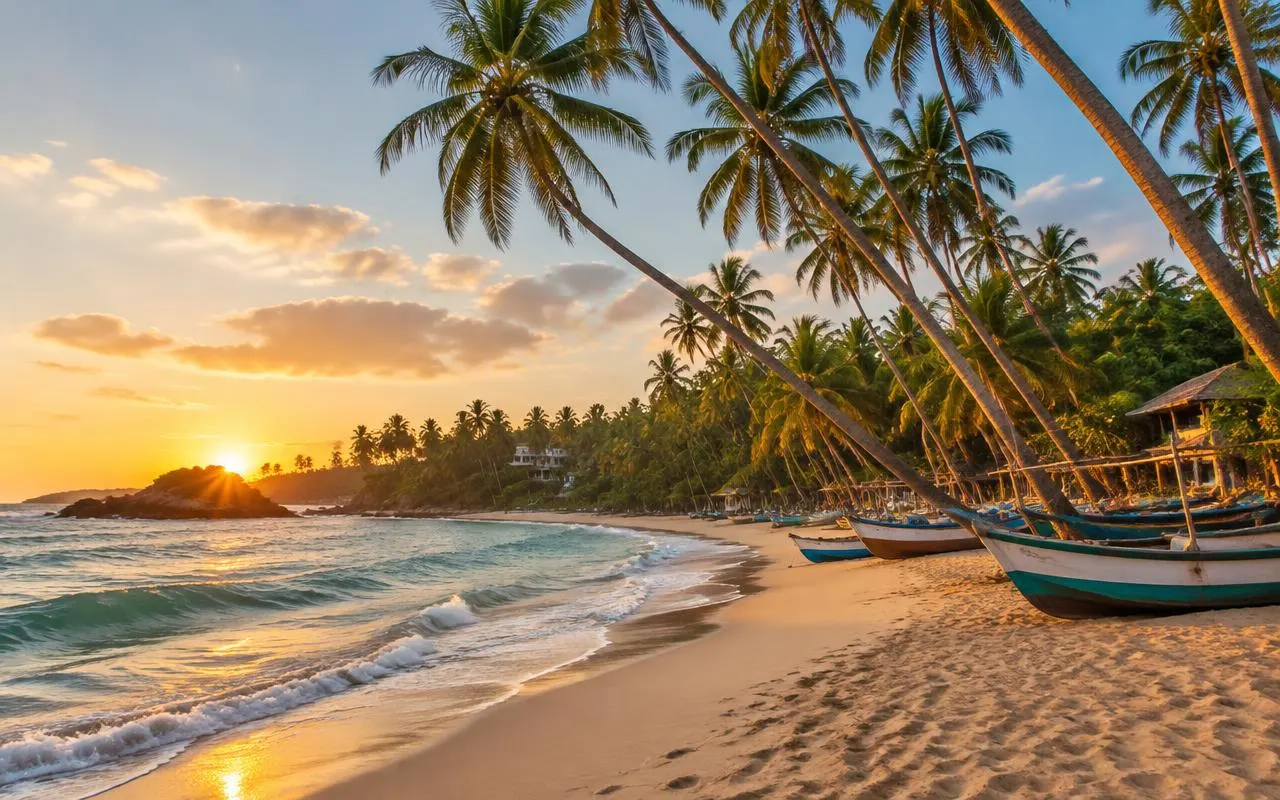
Sri Lanka's south coast is the stretch of shoreline most travelers picture when they imagine the island: curved bays fringed with coconut palms, fishing boats pulled onto warm sand, surf breaking over reefs and small towns where tuk-tuks weave between fruit stalls and temple gates. It runs for roughly 150 kilometers from the Bentota and Hikkaduwa area in the west to Tangalle and the edge of the dry zone in the east, and within that distance it holds a remarkable range of experiences. You can walk the ramparts of a fortified colonial town in the morning, learn to surf at lunchtime and watch the sun set over a quiet cove in the evening.
This guide is written for independent travelers planning their first or second trip to the region. It explains when the sea is calm and when it is not, how to move between towns without wasting days in traffic, which beaches suit families, surfers or people who simply want to read under a palm tree, and how to travel in ways that support coastal communities rather than strain them. It also links the coast to two places many visitors combine with it: Galle Fort and Yala National Park.
Why Visit the South Coast of Sri Lanka?
The south coast rewards travelers who like variety without long journeys. Distances between towns are short, so a single base can give access to several beaches, a historic town, tea gardens, Buddhist temples and wildlife. Few beach regions in Asia combine a UNESCO-listed fortified city, reliable surf, blue whale sightings and a national park within a few hours of each other.
It also suits many budgets. Family-run guesthouses with a fan and a mosquito net sit a short walk from boutique villas with infinity pools. Simple rice and curry lunches cost very little, while beachfront restaurants serve grilled seafood, wood-fired pizza and specialty coffee. You can shape the trip around comfort, adventure or slow travel.
Finally, the coast has a strong sense of everyday life. Fishing harbors, markets, schools, churches, mosques and temples sit alongside the tourist cafes. Travelers who look beyond the sun loungers will find a living region with its own rhythms, festivals and food traditions, and those encounters often become the most memorable part of a visit.
Who the South Coast Suits Best
Couples and honeymooners tend to love the quieter bays around Tangalle, Hiriketiya and Talalla, where small hotels, calm evenings and long empty beaches create a relaxed atmosphere. Families often prefer Unawatuna, Jungle Beach and the sheltered parts of Mirissa or Weligama, where the water is gentler in season and restaurants and pharmacies are close at hand.
Surfers have plenty of choice. Weligama's long sandy bay is famous for beginner lessons, while Ahangama, Midigama, Hiriketiya and Hikkaduwa offer reef and point breaks for intermediate and advanced riders. Divers and snorkelers head to Hikkaduwa, Unawatuna and Polhena, where reefs and rocky outcrops shelter fish and, sometimes, sea turtles.
History and culture lovers will want time in Galle Fort, Matara's Star Fort, Dondra Head and the cave temples of Mulkirigala. Wildlife enthusiasts can pair the beaches with whale watching from Mirissa and a safari in Yala, Bundala or Udawalawe. Remote workers increasingly choose Ahangama and Weligama for coworking spaces, cafes and longer stays.
Best Time to Visit the South Coast
Sri Lanka has two main monsoon systems, and understanding them is the most important part of planning a beach trip. The southwest monsoon generally affects the south and west coasts from about May to September, bringing rougher seas, stronger currents, more rain and some closed beach businesses. The northeast monsoon, roughly December to February, mainly affects the north and east, which is why the south coast enjoys its main dry season during those months.
For most travelers, the best time to visit the south coast is from December to April. Seas tend to be calmer, skies are clearer and boat trips such as whale watching run most reliably. January to March is usually the sweet spot, combining good weather with lively but not overwhelming crowds. Late December and early January are the busiest weeks, so book accommodation well ahead if traveling over the holidays.
October and November are transition months. Inter-monsoonal showers can be heavy, often arriving in the afternoon or evening, but mornings are frequently bright and prices are lower. Travelers who accept some rain can enjoy a quieter coast. May to September is the low season on the south coast. It can still be pleasant, especially for surfers who know where to look, but swimming is riskier on exposed beaches and some boat trips stop.
Weather varies from year to year, and climate patterns are becoming less predictable. Check the Department of Meteorology forecasts shortly before travel and treat any seasonal advice as a guide rather than a guarantee.
Month-by-Month Overview
January brings dry weather, calm seas and high demand. It is excellent for swimming, snorkeling and whale watching. February is similar, often slightly quieter after the holiday rush. March is hot and generally settled, with good surf on many reef breaks. April stays warm and is often still good, while the Sinhala and Tamil New Year in mid-April brings local holiday traffic and festive atmosphere.
May usually marks the arrival of the southwest monsoon. Seas become rougher and some beach restaurants close for maintenance. June, July and August are low season on this coast; expect wind, waves and passing showers, but also discounts and greener landscapes. September often remains unsettled. October and November can be wet, though conditions improve toward December. December reopens the main season, with businesses refreshed and the water usually calmer by the middle of the month.
How to Get to the South Coast
Most international visitors arrive at Bandaranaike International Airport near Negombo, north of Colombo. From there, the fastest route south is the Southern Expressway, which connects the Colombo area with Galle, Matara and beyond toward Hambantota. With light traffic, a private car can reach Galle in around two to three hours from the airport, although times vary considerably depending on congestion around Colombo.
Private drivers are the easiest option after a long flight. Many hotels arrange airport pickups, and reputable taxi apps operate around Colombo. Agree on the price, route and any expressway tolls in advance. If you plan to travel along the coast for several days, hiring a car with a driver gives flexibility for detours to temples, tea gardens and viewpoints.
Highway buses use the expressway between Colombo and southern towns such as Galle and Matara. They are inexpensive and reasonably quick, although luggage space can be limited. Ordinary buses follow the coastal Galle Road, stopping frequently; they are cheap, crowded and very local, best for short hops with light bags.
Riding the Coastal Train
The coastal railway line from Colombo Fort runs south through Kalutara, Bentota, Hikkaduwa, Galle, Weligama and Matara, and the line has been extended east of Matara toward Beliatta. Parts of the route run so close to the sea that waves seem to break beside the carriages, making it one of the most scenic train rides in the country.
Trains are slow compared with the expressway and can be crowded, especially on weekends and holidays. They are, however, inexpensive and a memorable way to arrive. Reserved seats are sometimes available on certain services, while unreserved second and third class carriages fill quickly. Keep valuables secure, carry a small bag and check current timetables with Sri Lanka Railways before traveling, because schedules change and services can be disrupted by maintenance or weather.
Getting Around Once You Arrive
Tuk-tuks are the everyday transport of the coast. They are ideal for short trips between beaches, restaurants and attractions. In many towns ride-hailing apps now operate, which helps with fair pricing; otherwise, agree on the fare before setting off. Ask your guesthouse what a typical journey should cost so you have a reference point.
Scooter rental is popular with experienced riders, particularly in Weligama, Ahangama and Mirissa. Roads can be busy and unpredictable, with buses overtaking at speed, dogs crossing and sudden rain. Only ride if you are confident, hold the correct license, wear a helmet and have insurance that covers motorbikes. For many visitors, a combination of tuk-tuks for local trips and a driver for longer transfers is the safest balance.
Hikkaduwa: Reefs, Surf and a Lively Strip
Hikkaduwa was one of Sri Lanka's earliest beach resorts, and it remains busier and more developed than many newer destinations. Its long main road is lined with hotels, dive shops, restaurants and bars. The town works well for travelers who want convenience, nightlife and plenty of activities in one place.
The coral reef close to shore is protected as part of a marine sanctuary, and snorkelers often see colorful reef fish and sometimes green turtles grazing in shallow water. Please avoid touching or feeding turtles, keep your distance and never stand on coral. Surfers find several breaks around Hikkaduwa, including reef waves suited to intermediate riders.
Narigama and Thiranagama, just south of the center, offer a slightly calmer feel. Inland, quiet lagoons, cinnamon gardens and village roads make good cycling or tuk-tuk excursions. Hikkaduwa is also within easy reach of Galle Fort, making it a practical base for travelers who want lively evenings and day trips.
Galle and Galle Fort
Galle is the cultural heart of the south coast. Its seventeenth-century fortifications, built in their present form largely during the Dutch period, enclose a compact historic town of churches, a mosque, museums, shaded verandas and narrow lanes. The Old Town of Galle and its Fortifications has been a UNESCO World Heritage Site since 1988, recognized for its fusion of European architecture and South Asian traditions.
Walking the ramparts at sunset is one of the island's classic experiences. The lighthouse, the Flag Rock bastion and the clock tower all make good stops. Spend time in the side streets too, where jewelry workshops, cafes, boutique hotels and family homes share the same old buildings. Galle Fort is a living neighborhood, so dress respectfully near places of worship and avoid photographing residents without permission.
For a detailed walking route, history and practical advice, read our complete Galle Dutch Fort Travel Guide on iDevix, which covers the bastions, museums and best times to visit in depth.
Unawatuna and Jungle Beach
Just east of Galle, Unawatuna curves around a sheltered bay that has long been popular with families and swimmers. The beach is busier than it once was, and sand levels vary with the seasons, but in calm months the water can be inviting. Restaurants, dive centers and guesthouses line the shore and the roads behind it.
A short walk or tuk-tuk ride over Rumassala hill leads toward Jungle Beach, a smaller cove framed by forest. On the hill above stands the white Japanese Peace Pagoda, offering wide views and a peaceful atmosphere. Visitors should remove shoes and dress modestly when approaching the pagoda. Snorkeling is possible around rocky areas on calm days, though conditions change and boat traffic should be watched carefully.
Nearby Dalawella is known for its rope swing photographs and natural rock pool. These spots can become crowded with people waiting for pictures, so arrive early if you want a quieter experience.
Koggala and Ahangama
Koggala combines a long beach with a large lagoon dotted with small islands. Boat trips on the lagoon visit mangroves, birdlife and island temples or cinnamon demonstrations. Choose operators who keep engines slow near wildlife and do not encourage visitors to handle animals. The Martin Wickramasinghe Folk Museum, honoring one of Sri Lanka's most celebrated writers, offers insight into rural southern life.
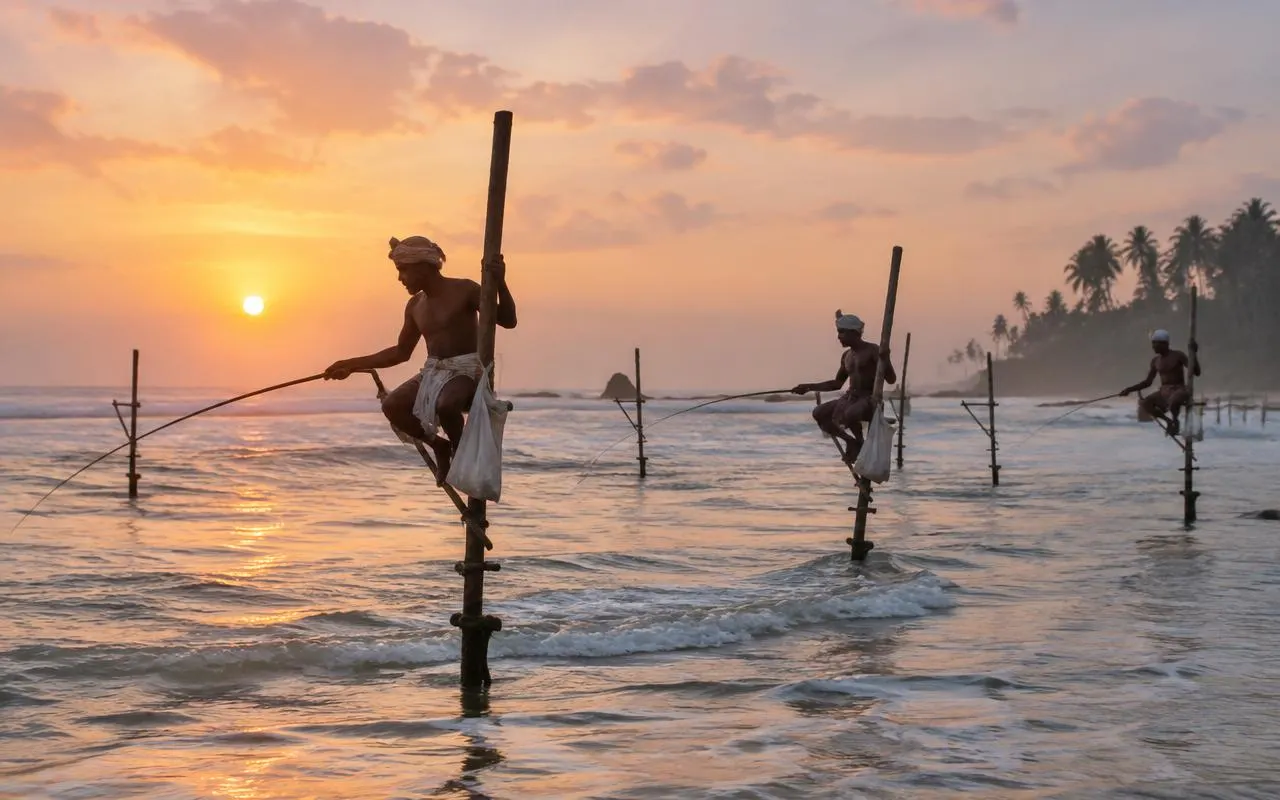
The stretch between Koggala and Ahangama is associated with the traditional stilt fishermen, who perch on poles above the shallow sea. Today many of the figures you see beside the road pose for photographs and expect a tip, while genuine stilt fishing is less common than it once was. Treat any photographs as an exchange, agree on payment beforehand and remember that fishing communities here face real economic pressures.
Ahangama has grown into a creative hub for surfers, digital nomads and design-led hotels. It offers excellent cafes, yoga studios and coworking spaces, along with several reef breaks. Midigama, just to the east, has a cluster of surf spots that attract more experienced riders. The area also gives access to Handunugoda Tea Estate, known for white tea, where tours introduce the island's tea traditions without a long journey to the hills.
Weligama: Learning to Surf
Weligama sits on a wide bay with a long sandy beach and gentle, consistent waves in season, making it one of the best places in Sri Lanka to learn to surf. Dozens of schools and board rental stalls line the shore. Take a lesson with a certified instructor, ask about group sizes and confirm that rental boards and leashes are in good condition. Many schools also offer photography sessions capturing your first waves for a small fee.
Beyond the surf, Weligama is a working fishing town. Early mornings at the harbor reveal boats unloading their catch, and the small island of Taprobane, once owned by a French count, sits just offshore. The town has fewer late-night venues than Hikkaduwa or Mirissa, which suits travelers seeking a calmer stay with easy access to other beaches.
Mirissa: Beaches and Whale Watching
Mirissa is one of the south coast's best-known beach towns. Its crescent beach is backed by restaurants that place candlelit tables on the sand at night. Coconut Tree Hill, a headland covered in palms, has become a famous viewpoint, especially at sunrise and sunset. Secret Beach, reached by a short ride and walk, offers a smaller rocky cove for swimming on calm days.
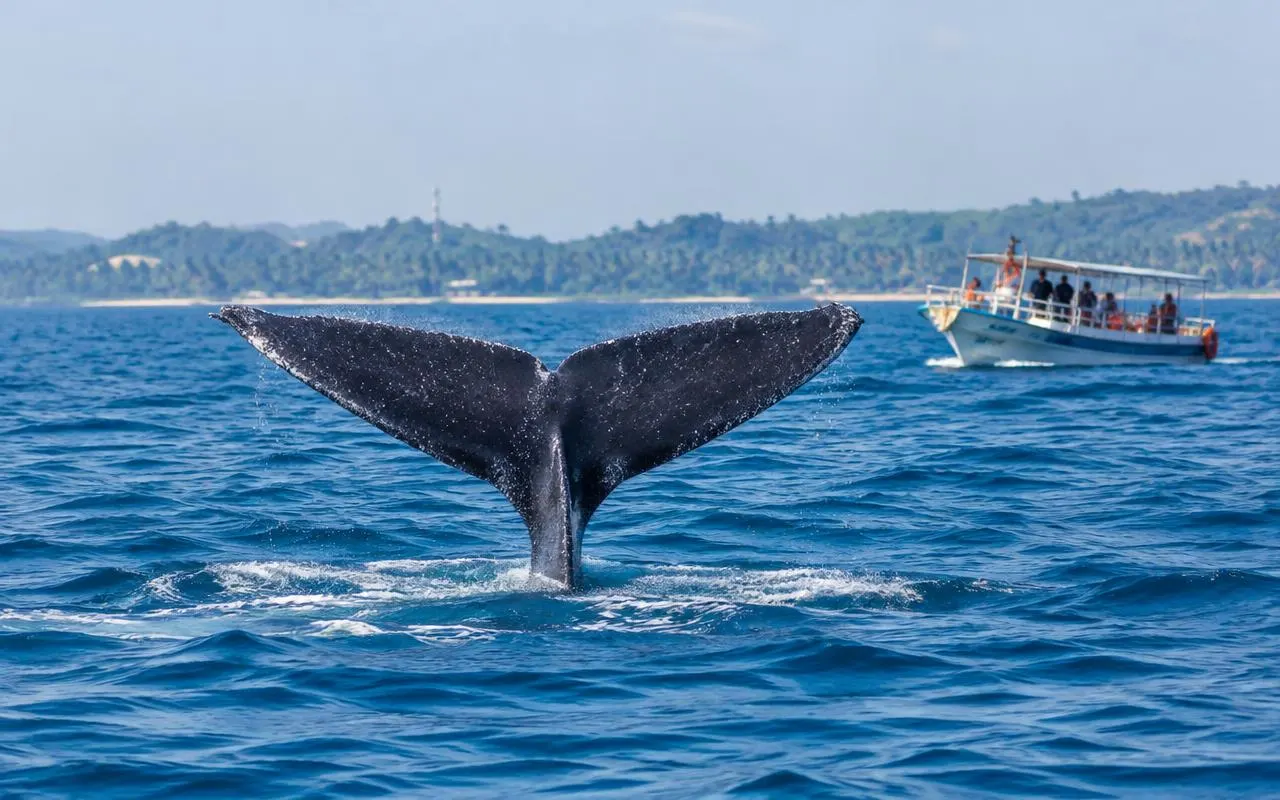
Mirissa is also the main departure point for whale watching on the south coast. The continental shelf drops steeply offshore, bringing deep water and marine life close to land. Blue whales, sperm whales, spinner dolphins and other species are sometimes seen, with the main season generally running from around November to April.
Choosing a Responsible Whale Watching Tour
Whale watching can be wonderful, but crowded waters and aggressive boat handling stress animals. Choose operators that follow international guidelines: approaching slowly from the side, limiting the number of boats near an animal, keeping a respectful distance and never chasing or cutting across a whale's path. The International Whaling Commission publishes general principles for responsible whale watching that are useful when comparing companies.
Ask how many passengers each boat carries, whether life jackets are provided, whether there is shade and whether breakfast and water are included. Trips usually depart early in the morning and can last several hours. Seas can be rough, so take seasickness precautions if you need them. Sightings are never guaranteed, and a good operator will be honest about that rather than promising certain encounters.
Matara, Polhena and Dondra Head
Matara is a busy regional town that many travelers pass through without stopping, yet it holds several interesting sights. The Star Fort, a small Dutch-era fortification, and the larger Matara Fort area reveal more of the coast's colonial history. Paravi Duwa, a small island temple connected to shore by a footbridge, is a pleasant stop in the early evening.
Polhena, on Matara's western edge, has a shallow reef-protected lagoon where snorkelers may see turtles and reef fish when conditions are calm. It is a local favorite on weekends, giving visitors a glimpse of domestic tourism.
East of Matara, Dondra Head marks the southernmost point of Sri Lanka. Its tall white lighthouse, built in the late nineteenth century, stands above a rocky shoreline. The nearby Devinuwara temple complex has deep historical roots and hosts an important annual festival. Visiting both makes a meaningful half-day excursion from Mirissa or Weligama.
Hiriketiya and Dikwella
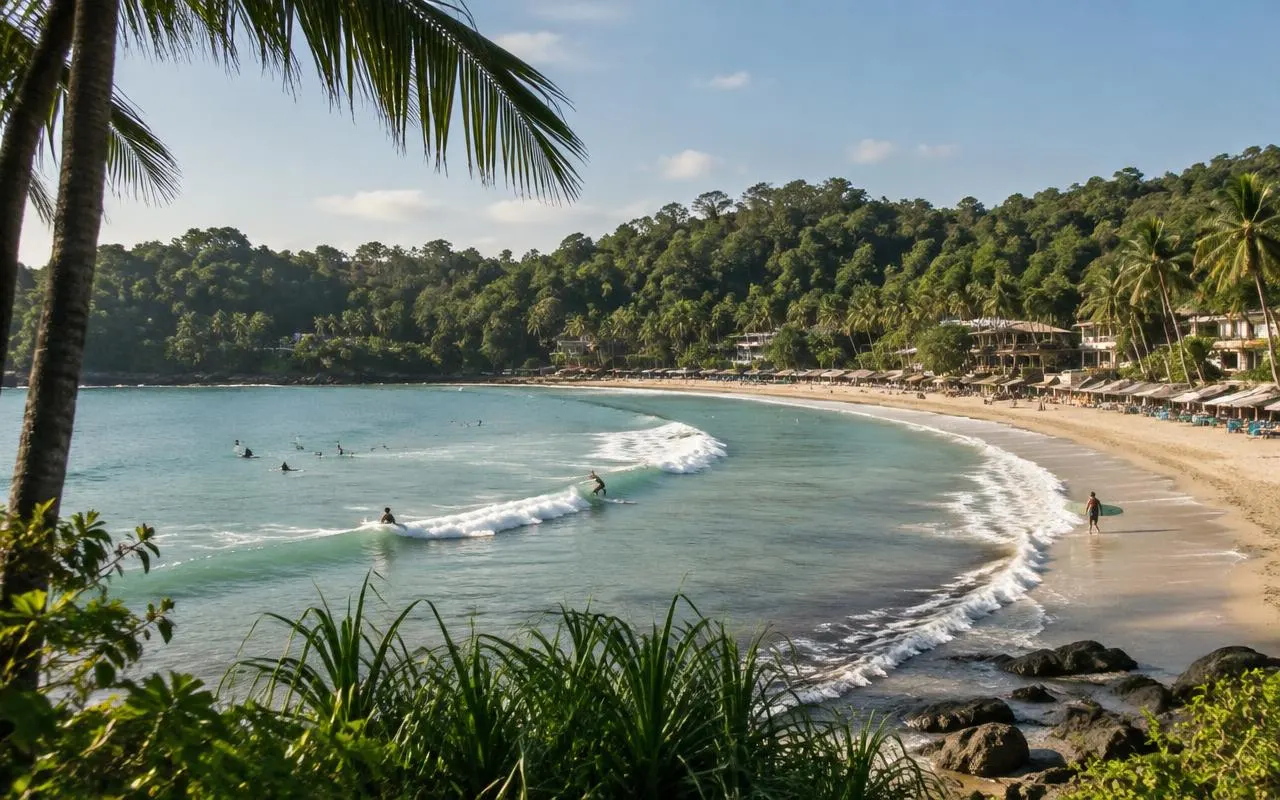
Hiriketiya is a small horseshoe-shaped bay that has become one of the coast's most fashionable spots. Its sheltered waters suit beginners on one side, while a reef break on the other attracts more experienced surfers. Cafes, yoga studios and stylish guesthouses fill the surrounding hills, yet the bay still feels intimate.
Nearby Dikwella has a longer beach and a more local atmosphere. Wewurukannala Vihara, a temple with a very large seated Buddha statue and colorful murals, is a short drive inland. The Hummanaya blowhole, between Dikwella and Tangalle, can shoot seawater high into the air when the swell is strong, most impressively during monsoon months.
Tangalle and the Quiet East
Tangalle marks the beginning of the drier eastern part of the south coast. Beaches here are long, wide and often empty, backed by palm groves and small eco lodges. The surf can be powerful with steep shore breaks, so many beaches here are better for walking than swimming. Ask locally before entering the water, and choose sheltered coves on calm days.
Rekawa, east of Tangalle, is known for nesting sea turtles. Community-based turtle conservation projects have run night watches on the beach, where small groups observe nesting females under the supervision of guides. Use no flashlights or flash photography, keep quiet and follow every instruction. Seeing a turtle nest in the wild is far more rewarding than visiting a commercial hatchery.
Mulkirigala Rock Temple, inland from Tangalle, is a series of cave shrines carved into a rock outcrop, decorated with murals and reclining Buddha statues. Climbing the steps in the cool of the morning offers wide views across the green countryside.
Hambantota and the Gateway to Yala
Beyond Tangalle, the landscape becomes drier and more open. Hambantota has a modern port, conference facilities and wide roads, along with salt pans and lagoons that attract flamingos and other water birds. Bundala National Park, a Ramsar wetland, offers excellent birdwatching and is often quieter than Yala.
Tissamaharama and Kirinda are the usual bases for Yala National Park, Sri Lanka's best-known wildlife reserve for leopards, elephants, sloth bears and crocodiles. Many travelers end a south coast journey here before heading inland toward Ella. For advice on choosing a safari, the best blocks and responsible wildlife viewing, see our Yala National Park Safari Guide on iDevix.
Best Beaches on the South Coast
For swimming in season, look at Unawatuna, Jungle Beach, Mirissa, Polhena and the sheltered side of Hiriketiya. For learning to surf, Weligama is the classic choice, with Hiriketiya and parts of Ahangama also suitable for beginners in small swells. For advanced surfing, consider Hikkaduwa's reefs, Midigama, Ahangama and other reef breaks with local guidance.
For quiet and space, explore Talalla, Tangalle, Goyambokka and Silent Beach, as well as long stretches around Rekawa. For snorkeling, Hikkaduwa, Polhena and Unawatuna are good starting points. For photography, Coconut Tree Hill, Galle Fort ramparts, Koggala lagoon and Dondra Head lighthouse deliver memorable views.
Remember that beach conditions change constantly. A cove that is calm in February may be dangerous in June, and erosion or construction can reshape a beach between seasons. Recent local advice is more valuable than any list.
Things to Do on the South Coast
Surfing is the most popular activity, and lessons are widely available. Begin in small, gentle waves, respect local surfers in the lineup, and learn basic etiquette such as not dropping in on someone who is already riding a wave.
Snorkeling and diving are possible at several reef and wreck sites, particularly around Hikkaduwa and Unawatuna. Choose dive centers with internationally recognized certifications, well-maintained equipment and clear safety briefings. Visibility is best in the calmer months.
Whale and dolphin watching from Mirissa is a highlight for many visitors in season. Lagoon safaris in Koggala, Madu Ganga near Balapitiya and Rekawa reveal mangroves, monitor lizards, kingfishers and water birds. Cycling tours through villages and paddy fields show a quieter side of the region.
Cultural experiences include visiting temples, attending a cooking class, watching traditional mask carving near Ambalangoda, touring cinnamon or tea estates and exploring markets. Yoga and wellness retreats are common, from simple drop-in classes to full Ayurveda programs. If you book Ayurvedic treatment, choose practitioners registered with appropriate authorities and inform them about any health conditions.
Turtle Hatcheries: A Note of Caution
Turtle hatcheries line parts of the southwest coast, especially around Kosgoda. Some aim to support conservation, but conservation organizations have raised concerns about practices such as keeping hatchlings in tanks for long periods, handling animals for visitors or releasing them at times that reduce their chances of survival. Before visiting, research the facility carefully. Watching turtles in the wild with responsible community guides, or simply observing them while snorkeling from a respectful distance, is generally the better choice.
Five-Day South Coast Itinerary
Day one: travel from the airport or Colombo to Galle and spend the late afternoon walking the fort ramparts. Day two: explore Galle Fort's museums and streets in the morning, then relax at Unawatuna or Jungle Beach. Day three: move to Mirissa or Weligama, stopping at Koggala lagoon and a tea estate on the way. Day four: join an early whale watching trip in season, then spend the afternoon at the beach or take a surf lesson. Day five: visit Dondra Head and Hiriketiya before returning to Colombo or continuing inland.
This plan suits first-time visitors who want a taste of history, beaches and wildlife without long drives each day.
Seven-Day South Coast Itinerary
Days one and two: base yourself in Galle Fort or Unawatuna for history, food and beach time. Day three: travel to Ahangama, explore cafes and surf spots, and visit Koggala's lagoon. Day four: continue to Weligama for a surf lesson. Day five: whale watching from Mirissa followed by an evening at Coconut Tree Hill. Day six: move east to Hiriketiya or Tangalle, stopping at Wewurukannala Vihara and the Hummanaya blowhole. Day seven: enjoy a quiet beach day around Tangalle, or join a turtle watch at Rekawa in the evening if available.
Ten-Day Itinerary with Yala
Follow the seven-day plan, then on day eight travel east to Tissamaharama, stopping at Mulkirigala Rock Temple or Bundala on the way. Day nine: take an early morning safari in Yala and rest during the heat of the day. Day ten: drive inland to Ella for hill country views and the famous train journey, or return west toward Colombo. This route connects beaches, culture and wildlife with manageable travel times.
If you have more time, slow down. Two or three nights in each base allows you to enjoy places rather than simply passing through, and reduces the fatigue of constant packing.
Where to Stay on the South Coast
Galle Fort offers characterful boutique hotels in restored colonial buildings, ideal for travelers who value atmosphere and walkability. Unawatuna and Hikkaduwa provide plentiful mid-range options close to the beach and restaurants. Ahangama and Weligama suit surfers and remote workers, with surf camps, guesthouses and design-focused villas. Mirissa has everything from budget hostels to beachfront resorts.
For quieter stays, Hiriketiya, Talalla and Tangalle feature eco lodges, small boutique hotels and private villas. Many have only a handful of rooms, so book early in high season. Families might prefer properties with pools, because ocean conditions can be unsuitable for children even when weather is good.
When choosing accommodation, read recent reviews, check whether air-conditioning and hot water are included, ask about noise from roads or bars, and confirm the distance to a swimmable beach. Locally owned guesthouses often provide the warmest welcome and keep more spending within the community.
Food on the South Coast
Seafood is the star of southern cooking. Ambul thiyal, a sour fish curry made with dried goraka fruit and black pepper, is a regional specialty that keeps well in the heat. Grilled fish, prawns and cuttlefish are sold fresh at beach restaurants in the evening; ask about prices by weight before ordering to avoid surprises.
Rice and curry is the everyday meal, featuring rice alongside several vegetable dishes, dhal, sambols and perhaps a fish or chicken curry. Kottu roti, chopped flatbread stir-fried with vegetables, egg or meat, makes a filling dinner. Hoppers, bowl-shaped fermented rice flour pancakes, are best eaten hot with an egg cooked in the middle and spicy lunu miris on the side.
Look out for curd and treacle, a dessert of buffalo milk curd topped with kithul palm syrup, often sold along the roads near Tangalle and Hambantota. Tropical fruit such as king coconut, mango, papaya, rambutan and mangosteen appears seasonally. Specialty coffee and international cafes are now common in Ahangama, Weligama, Mirissa and Galle.
Tap water is not generally recommended for visitors. Choose filtered water refills where available to reduce plastic waste, or carry a bottle with a built-in filter.
Beach Safety and Rip Currents
The south coast's beauty can hide real dangers. Strong currents, steep shore breaks and sudden changes in weather cause drownings every year, including among confident swimmers. Lifeguards are present on only some beaches. Before swimming, look for warning flags, ask locals or hotel staff about conditions and watch the water for a while.
A rip current often appears as a calmer channel of darker water between breaking waves, sometimes carrying foam or debris out to sea. If you are caught in one, stay calm, do not try to swim directly against it and swim parallel to the shore until you are free, then head back to land. If you cannot escape, float and signal for help.
Avoid swimming after drinking alcohol, at night or alone. Keep children within arm's reach, even in shallow water. During monsoon months, admire the waves from shore at exposed beaches.
Road Safety and Health
Roads along the coast are busy, and driving styles may be very different from those you know at home. Look carefully before crossing, walk facing traffic where there is no footpath and use reflective clothing or a light at night. When hiring a driver, ask for seatbelts and do not hesitate to request slower driving.
Sun protection is essential. The tropical sun is strong even on cloudy days, so use reef-safe sunscreen, a hat and a light long-sleeved shirt for long boat trips or surf sessions. Mosquitoes can transmit dengue fever, particularly during and after rainy periods. Use repellent, wear long clothing in the evening and choose accommodation with screens or nets. Consult a travel health professional before departure about vaccinations and medication.
Responsible Travel on the South Coast
Tourism is an important source of income for the region, but it also places pressure on beaches, reefs and communities. Small choices help. Carry a reusable bottle, refuse unnecessary plastic, and take any rubbish with you. Choose snorkeling and dive operators that brief guests about reef protection, and never buy shells, coral or turtle products.
Dress modestly away from the beach and when visiting temples, covering shoulders and knees and removing shoes and hats where required. Never pose for photographs with your back to a Buddha statue, and be aware that Buddhist imagery should be treated with respect, including in tattoos and clothing. Ask before photographing people.
Support local businesses by eating at family restaurants, booking guides directly where possible and buying handicrafts from makers. Respect noise levels in residential areas, particularly late at night. Water and electricity can be limited in some places, so use them thoughtfully.
Costs and Money Tips
The south coast can be affordable or luxurious depending on your choices. Budget travelers can rely on guesthouses, local buses, trains and rice and curry lunches. Mid-range travelers often combine comfortable hotels with private drivers for longer journeys. Luxury villas and boutique hotels charge international prices, especially in Galle Fort, Tangalle and peak season.
The Sri Lankan rupee is the local currency. ATMs are common in towns, and cards are accepted at many hotels and larger restaurants, though small guesthouses, tuk-tuk drivers and market stalls typically prefer cash. Carry small notes for tips, entry tickets and snacks. Some attractions charge different prices for foreign visitors. Check current prices with official sources or recent reviews, because costs can change quickly.
Before arriving, check visa requirements through official Sri Lankan government channels and make sure your travel insurance covers activities such as surfing, diving and scooter riding.
South Coast Sri Lanka Quick Answers
What is the best month to visit the south coast of Sri Lanka? January to March usually offers the most reliable combination of dry weather and calm seas, with December and April also popular.
Which south coast beach is best for families? Unawatuna, Jungle Beach and sheltered areas of Mirissa are often suitable in season, but always check conditions on the day.
Where should beginners learn to surf? Weligama's gentle sandy bay is the classic beginner choice, with Hiriketiya another popular option.
How many days do you need on the south coast? Five days covers the highlights; seven to ten days allows a slower pace and time for Yala.
Can you see whales from Mirissa all year? The main whale watching season is roughly November to April, when seas are calmer. Sightings are never guaranteed.
Is the south coast of Sri Lanka safe? Most visitors have trouble-free trips, but take care with ocean currents, road traffic and sun exposure, and follow normal precautions with valuables.
Final Thoughts
Sri Lanka's south coast offers far more than a beach holiday. Within a short distance, travelers can trace centuries of maritime history in Galle, surf warm waves in Weligama, share a boat with whales off Mirissa and watch nesting turtles under the stars near Tangalle. The best trips leave room for unplanned moments: a conversation with a fisherman, a temple visit during a full moon festival or a slow afternoon watching the sea.
Plan around the monsoons, travel with care for the ocean and the communities who live beside it, and give yourself enough time to settle into the coast's easy rhythm. Combine it with Galle Fort's historic streets and a safari in Yala, and you will experience some of the richest landscapes the island has to offer.
Sources and Further Reading
Source: https://whc.unesco.org/en/list/451/
Source: https://www.srilanka.travel/
Source: https://www.meteo.gov.lk/
Source: https://railway.gov.lk/
Source: https://iwc.int/management-and-conservation/whale-watching