
Sri Lanka Travel Guide: Where to Go, When to Visit, Getting Around and Itineraries
20 October 2026 · 51 min read
Sri Lanka packs an astonishing amount into a small island. In a single two-week journey you can climb a fifth-century rock fortress, ride a blue train through misty tea estates, watch wild elephants gather at a reservoir, explore a fortified colonial town and finish with warm days on palm-fringed beaches. Distances look short on the map, yet every region feels different: the dry plains of the north, the cool green highlands, the ancient cities of the Cultural Triangle and the surf-washed coasts of the south and east.
This Sri Lanka travel guide brings everything together in one place. It explains when to go, how to get around safely and comfortably, which regions deserve your time, how to combine them into realistic itineraries and how to travel respectfully in a country where religion, family and hospitality matter deeply. Whether you are planning your first visit or returning to see more, use it as a practical companion from the moment you land at Colombo airport until the day you leave.
Why Visit Sri Lanka?
Few countries offer such variety within such short distances. Sri Lanka has eight UNESCO World Heritage Sites, including the ancient cities of Anuradhapura and Polonnaruwa, the rock fortress of Sigiriya, the Golden Temple of Dambulla, the sacred city of Kandy, the Old Town of Galle and its fortifications, the Sinharaja Forest Reserve and the Central Highlands. Each could anchor a trip on its own, and many lie within a few hours of each other.
Wildlife is another powerful draw. The island is one of the best places in Asia to see wild Asian elephants, and Yala and Wilpattu national parks are known for leopard sightings. Offshore, blue whales and sperm whales pass the southern coast in season, while birdwatchers find hundreds of resident and migratory species, including many found nowhere else in the world.
Then there is the everyday texture of travel. Rice and curry served on banana leaves, roadside king coconuts, temple drums at dawn, cricket games on dusty fields and genuinely warm hospitality make Sri Lanka feel personal. Travelers often say that the conversations with drivers, guesthouse owners and tea pickers are what they remember most.
Sri Lanka at a Glance
Sri Lanka is an island nation in the Indian Ocean, southeast of India. Its commercial capital is Colombo, while the administrative capital is Sri Jayawardenepura Kotte, on Colombo's edge. The main languages are Sinhala and Tamil, and English is widely understood in tourism, business and government.
The population is diverse. The majority are Sinhalese Buddhists, with significant Tamil Hindu, Muslim and Christian communities. This diversity is visible in the landscape of temples, kovils, mosques and churches, and in a calendar full of festivals. The currency is the Sri Lankan rupee. Electricity is supplied at 230 volts, and sockets vary, so a universal adapter is useful.
The island measures roughly 435 kilometers from north to south and around 225 kilometers at its widest. Those modest distances can take longer to cover than expected, because roads wind through hills, pass through busy towns and share space with buses, tuk-tuks, cyclists and animals. Planning realistic travel times is one of the keys to an enjoyable trip.
Planning Basics: Visas, Money and Connectivity
Most visitors need an Electronic Travel Authorization or visa before arrival. Rules, fees and eligible nationalities change from time to time, so always apply through the official Sri Lankan government channels and check the latest requirements shortly before booking flights. Make sure your passport is valid for at least six months beyond your arrival date and has blank pages.
ATMs are widely available in towns and cities, and many accept international cards. Card payments are common in hotels, supermarkets and larger restaurants, but small guesthouses, markets, tuk-tuk drivers and rural shops usually prefer cash. Keep a supply of small notes for tips, entrance fees and snacks. Inform your bank before traveling so your card is not blocked.
Mobile coverage is good across most of the island. Local SIM cards are inexpensive and easy to buy at the airport arrivals hall or from mobile provider shops in towns, with your passport as identification. Many travelers now use eSIM services as well. Data allows you to use maps, translation apps, ride-hailing services and messaging apps such as WhatsApp, which many local businesses use for bookings.
Travel insurance is essential. Choose a policy that covers medical treatment, evacuation, theft and any activities you plan, such as surfing, diving, hiking or scooter riding. Keep digital and paper copies of your passport, insurance policy and bookings.
Best Time to Visit Sri Lanka
Sri Lanka is a year-round destination because it has two main monsoon seasons that affect different coasts at different times. Understanding them helps you choose where to go in each month rather than whether to go at all.
The southwest monsoon, often called Yala season, generally brings rain to the west coast, the south coast and the hill country from about May to September. During these months the east coast and the north are usually drier, making places such as Trincomalee, Pasikudah and Arugam Bay the best beach choices.
The northeast monsoon, often called Maha season, generally brings rain to the north and east from about October or November to February. During this period the west and south coasts and much of the hill country enjoy their main dry season, which is why December to March is the most popular time for a classic itinerary combining the Cultural Triangle, Kandy, Ella and the southern beaches.
There are also inter-monsoonal periods, typically around March to April and October to November, when afternoon thunderstorms can occur across much of the island. These storms are often short and dramatic, and mornings can still be bright. Climate patterns are becoming less predictable, so check forecasts from the Department of Meteorology before travel and keep some flexibility in your plans.
Month-by-Month Travel Guide
January is one of the best months for the west and south coasts, the hill country and the Cultural Triangle. Seas are usually calm in the south, whale watching runs from Mirissa and the Adam's Peak pilgrimage season is under way. It is also busy, so book accommodation early.
February continues the dry season in the south and west. It is a great month for safaris in Yala and Udawalawe, hiking in the highlands and exploring ancient cities before the heat builds.
March remains good in the south and west, with hotter temperatures in the dry zone. The east coast starts to improve toward the end of the month.
April is a transition month. The Sinhala and Tamil New Year in mid-April is a major family holiday, with special foods, games and travel across the country. Transport and accommodation can be busy around the holiday dates.
May often brings the start of the southwest monsoon on the west and south coasts. The Vesak full moon festival, usually in May, fills towns with lanterns, illuminated pandals and free food stalls known as dansal. It is a beautiful time to experience Buddhist culture.
June to August is the main season for the east coast. Arugam Bay surf season is in full swing, Trincomalee and Pasikudah have calm seas and the Cultural Triangle is generally dry. Kandy's Esala Perahera procession usually takes place in July or August. In the dry zone, the elephant gathering at Minneriya and nearby parks is often at its best from around July to September as herds come to the receding reservoirs.
September is usually still good on the east coast and in the north, while the southwest can remain unsettled.
October and November bring inter-monsoon rain to many areas. Prices can be lower and landscapes greener, but expect heavy showers and plan flexible days.
December marks the return of the main season in the south and west. Christmas and New Year are among the busiest weeks of the year.
Arriving at Colombo Airport
Bandaranaike International Airport, often shortened to CMB, is the country's main international gateway. It lies in Katunayake, near Negombo and roughly an hour's drive north of central Colombo depending on traffic. Most long-haul flights arrive at night or in the early morning, so plan your first transfer before you land.
After immigration and baggage collection, you will find currency exchange counters, ATMs and mobile SIM desks in the arrivals area. Exchange a small amount for immediate needs, buy a SIM if you want local data, and then meet your pre-arranged driver or head to the official taxi counter.
Many first-time visitors find it easiest to book a private airport transfer in advance. After a long flight, having a driver waiting with your name board removes the stress of negotiating fares and finding your way in the dark. Our recommended transport partner, Ashi Travels, offers 24/7 Colombo airport transfers with fixed prices to Negombo, Colombo, Kandy, Galle and Ella, and their driver waits in the arrivals hall with a name board.
From the airport, Negombo is the closest beach town and a convenient first or last night. Colombo is good if you want to explore the city. Travelers heading straight to the Cultural Triangle can drive directly toward Sigiriya or Dambulla, while those heading south can use the expressway network toward Galle. Kandy is usually reached in around three to four hours by road.
Getting Around Sri Lanka
Choosing the right transport shapes your whole trip. Sri Lanka offers several options, each with strengths and drawbacks. Many travelers combine them, using trains for scenic sections, private drivers for longer or complex journeys and tuk-tuks for short local trips.
Private Car and Driver
Hiring a car with a driver is the most popular way for international visitors to travel around the island. It gives flexibility to stop at viewpoints, temples, waterfalls and roadside fruit stalls, and it removes the stress of driving on unfamiliar roads. Drivers often share local knowledge, recommend places to eat and help with practical matters along the way.
You can hire a driver for individual transfers, such as from the airport to Sigiriya or from Ella to the south coast, or for an entire round trip. Larger groups and families can choose vans or coaches with space for luggage. When booking, confirm the vehicle type, whether air-conditioning is included, how driver accommodation and meals are handled, and whether fuel, tolls and parking are covered.
Trains
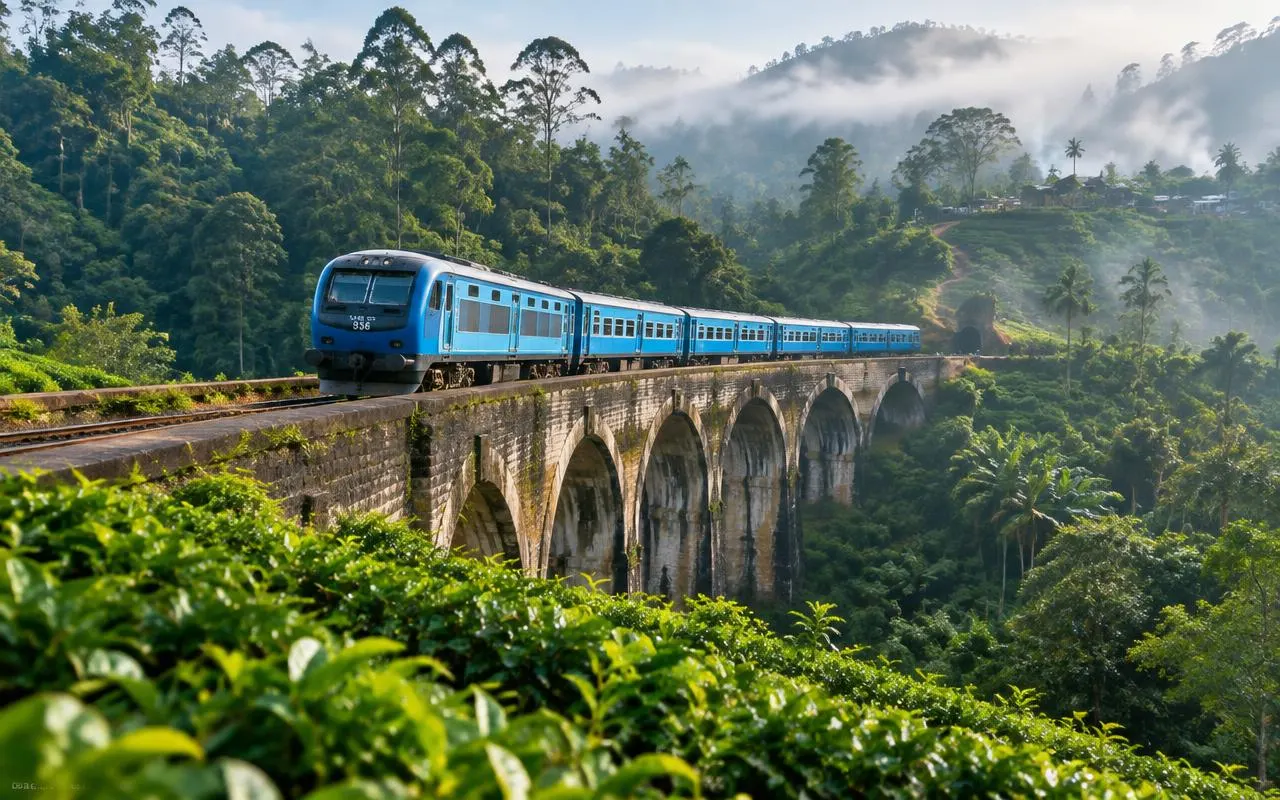
Sri Lanka Railways operates a network that connects Colombo with Kandy, the hill country, the south coast, the north and the east. The line from Kandy through Nanu Oya and Haputale to Ella is one of the most famous train journeys in the world, crossing tea estates, waterfalls and mountain passes. The coastal line south of Colombo is also beautiful, with stretches running right beside the sea.
Trains are inexpensive and atmospheric but can be slow and crowded. Reserved seats on popular routes sell out quickly in high season, especially for the Ella line. Book as soon as reservations open or ask your accommodation for help. Unreserved carriages are always an option for flexible travelers, though you may need to stand. Many travelers ride the train for one scenic stretch and arrange a private car for the rest of the journey, often sending luggage ahead with the driver.
Buses
Public buses reach almost every town and village. State-run and private buses are very cheap and run frequently, but they are often crowded, fast and uncomfortable over long distances, especially with large bags. Air-conditioned intercity buses and expressway buses connect major cities and are a reasonable option for budget travelers.
Tuk-Tuks and Ride-Hailing
Three-wheelers, known locally as tuk-tuks, are everywhere and ideal for short journeys. In Colombo and many larger towns, ride-hailing apps operate and offer fixed fares. Elsewhere, agree on a price before you set off, or ask your accommodation what a fair fare should be.
Self-Driving and Scooters
Self-driving is possible with the correct international permit and local endorsement, but most visitors find road conditions challenging. Overtaking buses, narrow mountain roads, pedestrians and animals make driving tiring. Scooters are popular in some beach towns, but only experienced riders with proper licenses, helmets and insurance should consider them.
Our Recommended Transport Partner: Ashi Travels
For travelers who want comfortable, reliable transport across the island, iDevix recommends Ashi Travels as our number one tourist transport partner in Sri Lanka. Disclosure: Ashi Travels is an iDevix partner. We include them because their services match what most visitors in this guide need, and we describe only what they offer on their own website.
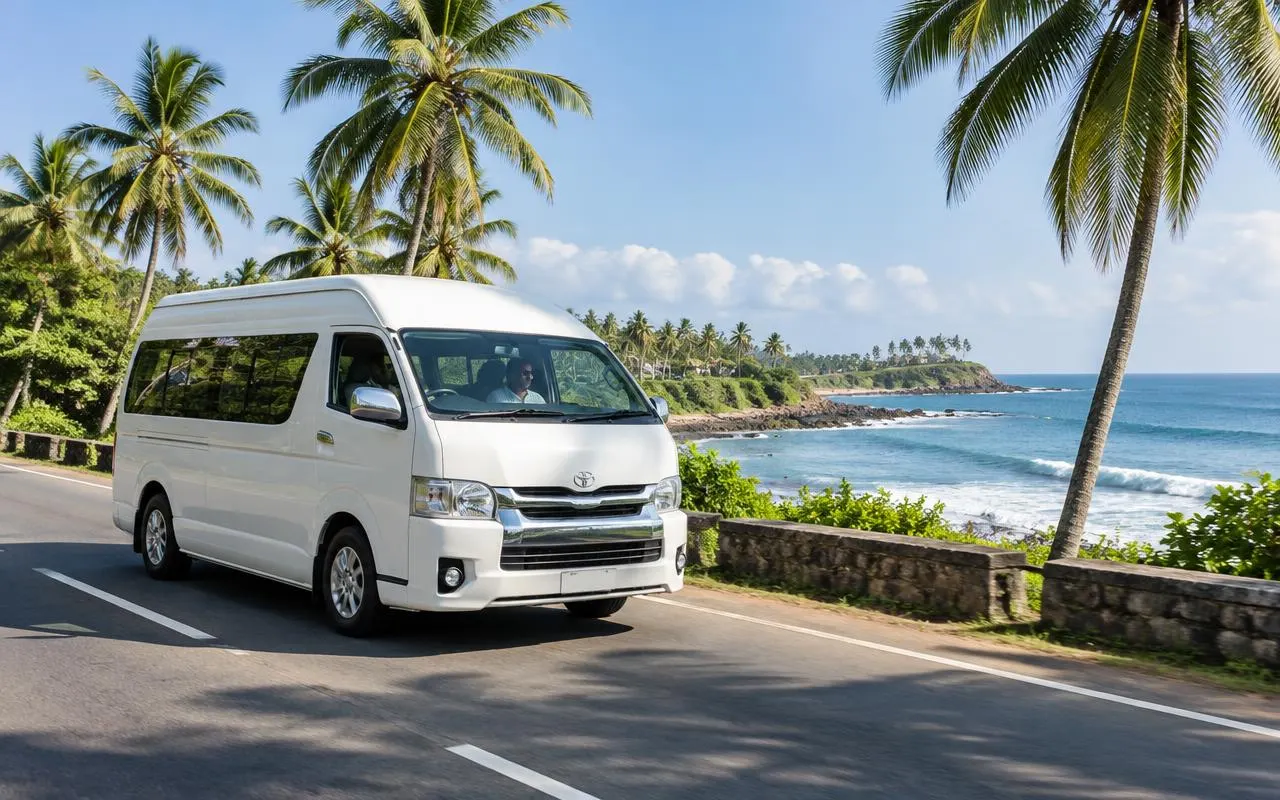
Ashi Travels provides island-wide private transport with friendly local drivers, from Colombo airport to Ella's tea country and from Jaffna in the north to Galle and the south coast beaches. Their fleet ranges from compact cars for couples and solo travelers to sedans, vans and coaches for families and groups, so you can choose a vehicle that suits your party size and luggage.
According to the company, vehicles are air-conditioned and well maintained, and drivers are experienced, English-speaking and insured. Airport pickups run 24 hours a day, which matters because many international flights arrive late at night or very early in the morning. Fixed airport transfer prices are listed for popular destinations including Negombo, Colombo, Kandy, Galle and Ella.
Booking is straightforward. You can request a booking online and receive a written quote by email, or chat with the team on WhatsApp to confirm your ride quickly. For a multi-day tour, share your rough route, travel dates, number of passengers and luggage so they can recommend a suitable vehicle and timing.
Whether you book with our partner or another company, ask the same sensible questions: what the price includes, what vehicle you will receive, whether the driver speaks English, how long each driving day will be and what happens if your flight is delayed. Clear expectations make for a relaxed journey.
How Long Do You Need in Sri Lanka?
One week is enough for a focused trip, such as the Cultural Triangle and Kandy, or Kandy, Ella and the south coast. Ten days allows a classic loop with a few beach days. Two weeks is ideal for a first visit, combining ancient cities, the hill country, a safari and the coast without rushing. Three weeks or more lets you add the north, the east coast or slower stays.
Remember that travel days can be long. A journey that looks short on the map may take four or five hours with stops, especially in the hills. Plan no more than one major move per day and include rest days, particularly in the heat of the dry zone.
Colombo: The Gateway City
Colombo is often treated as a transit stop, but the city rewards a day or two of exploration. Galle Face Green, a seaside promenade, fills with families, kite flyers and street food vendors in the late afternoon. The Fort and Pettah districts mix colonial buildings, bustling wholesale markets and the striking red and white Jami Ul-Alfar Mosque.
Gangaramaya Temple combines a working Buddhist temple with an eclectic museum of donated objects, while nearby Seema Malaka sits serenely on Beira Lake. The Colombo National Museum, housed in a grand colonial building, introduces the island's history, art and royal regalia. Independence Memorial Hall and the shaded avenues of Cinnamon Gardens show a calmer side of the city.
Colombo is also the best place on the island for dining variety. You will find everything from street-side kottu stalls and Tamil vegetarian canteens to elegant colonial dining rooms, rooftop bars and contemporary Sri Lankan restaurants. Shopping ranges from handloom textiles and tea to design boutiques and modern malls.
Negombo: Close to the Airport
Negombo, just south of the airport, is a convenient place to spend the first or last night of a trip. Its long beach is backed by hotels and restaurants, and the town has a strong Catholic heritage, visible in its many churches. The Dutch canal, fish market and lagoon are interesting to explore, especially early in the morning when fishing boats return.
Swimming conditions vary with the monsoon, so Negombo is better seen as a relaxed stopover than a main beach destination. Its main advantage is simply being close to the airport, which makes early departures much easier.
The Cultural Triangle
The Cultural Triangle, in the dry north-central plains, holds some of South Asia's most remarkable archaeological sites. The triangle is traditionally defined by Anuradhapura, Polonnaruwa and Kandy, with Sigiriya and Dambulla at its heart. Most travelers base themselves around Sigiriya, Dambulla or Habarana, which allows easy day trips to the major sites and nearby national parks.
The region is hot, so start early. Carry water, wear a hat and sunscreen and plan sightseeing for the morning and late afternoon, with a rest in the middle of the day. Temples require modest dress and bare feet, so bring socks for hot stones and wear clothes that cover shoulders and knees.
Sigiriya Rock Fortress
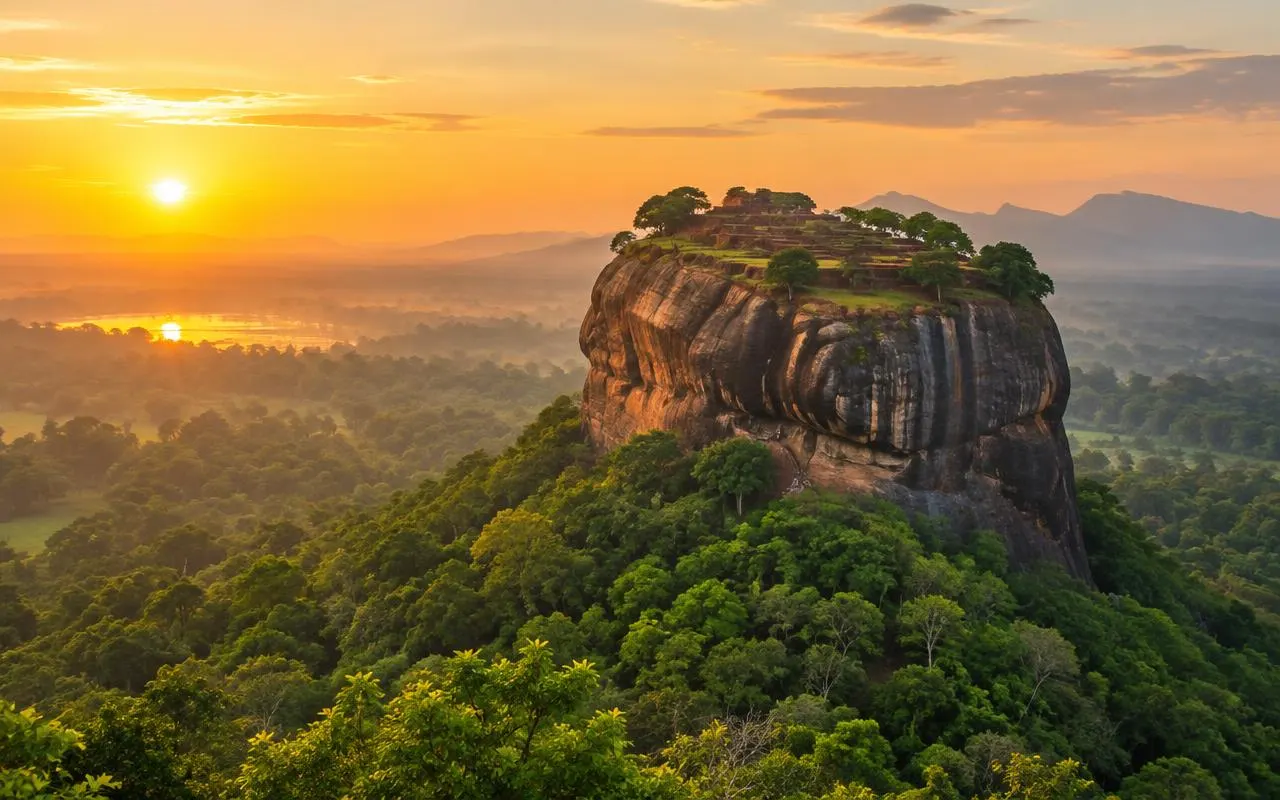
Sigiriya rises about 200 meters above the surrounding forest, a sheer granite column crowned with the ruins of a fifth-century palace. According to the historical chronicles, King Kasyapa built his capital here, surrounded by water gardens, moats and ramparts. Today the site is a UNESCO World Heritage Site and one of the island's most iconic sights.
The climb takes you through landscaped gardens, past the famous frescoes of celestial maidens and the Mirror Wall with its ancient graffiti, then up to the Lion Gate, where enormous carved paws flank the final staircase. The summit offers sweeping views over forest, reservoirs and distant hills. Allow around two to three hours for the visit, and arrive at opening time to avoid the heat and crowds.
The climb involves many steps and some exposed metal staircases. People with a fear of heights or limited mobility may find it challenging. Wasps occasionally nest on the rock, and staff may close sections if they become agitated, so follow instructions and stay calm.
Pidurangala Rock
Pidurangala, just north of Sigiriya, offers a shorter but steeper climb through a temple complex and over boulders to a summit with a classic view of Sigiriya itself. It is especially popular at sunrise. The final section involves scrambling, so wear good shoes and bring a headlamp if starting before dawn. Remember that the lower section passes a working temple, where modest dress is required.
Dambulla Cave Temple
The Golden Temple of Dambulla is a complex of five caves filled with Buddha statues and painted ceilings, some dating back more than two thousand years. The murals and statues represent a continuous tradition of Buddhist art over many centuries. The site is a UNESCO World Heritage Site and remains an active place of worship.
The caves are reached by a stairway up a rocky hill, with views over the surrounding plains. Remove shoes and hats before entering, keep voices low and never pose with your back to a Buddha statue. Photography rules may change, so check signs at the entrance.
Polonnaruwa
Polonnaruwa served as a royal capital from the eleventh to the thirteenth centuries. Its ruins are compact and well preserved, making it one of the most enjoyable ancient cities to explore by bicycle or with a driver. Highlights include the Royal Palace, the Quadrangle with its circular Vatadage, and the Gal Vihara, where four magnificent Buddha figures are carved into a single granite face.
The vast Parakrama Samudra reservoir, built by King Parakramabahu I, shows the sophistication of ancient irrigation systems that still support farming today. Allow at least half a day, starting at the museum to understand the layout before visiting the sites.
Anuradhapura
Anuradhapura was the first great capital of Sri Lanka and one of the oldest continuously inhabited cities in the world. Its sacred precinct holds enormous stupas, such as Ruwanwelisaya and Jetavanaramaya, ancient reservoirs and the Sri Maha Bodhi, a sacred fig tree believed to have grown from a cutting of the tree under which the Buddha attained enlightenment.
For many Sri Lankans, Anuradhapura is a pilgrimage site rather than a tourist attraction. Visit in white or light-colored modest clothing if you can, observe evening rituals respectfully and allow plenty of time, because the site is spread over a large area. Nearby Mihintale, where Buddhism is said to have been introduced to the island, offers a hilltop temple with wide views.
Minneriya, Kaudulla and Hurulu Eco Park
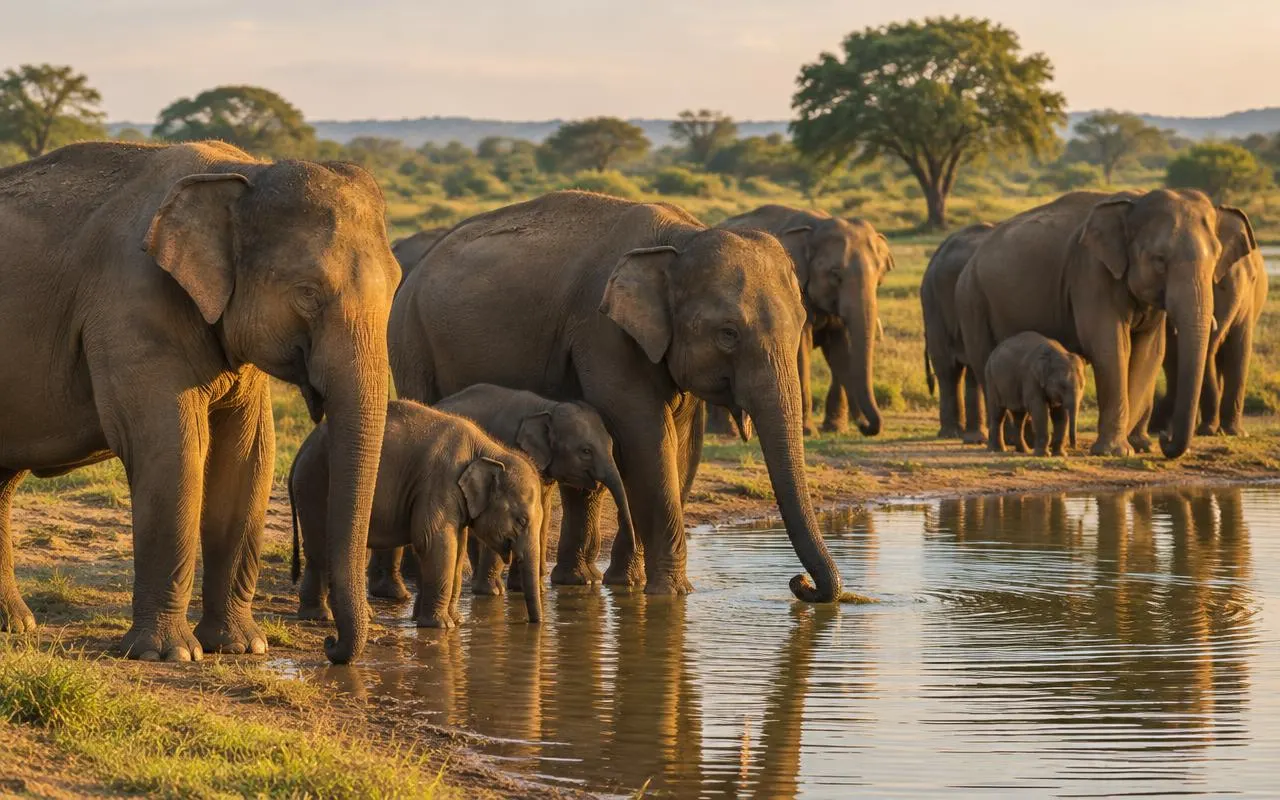
The national parks near Habarana are known for large gatherings of wild elephants, especially in the dry season when water becomes scarce and herds move to the reservoirs. The best park on a given day depends on where the elephants are, so trust local jeep operators and your driver to choose. Late afternoon safaris are common, when light is softer and animals come to drink.
Kandy: The Hill Capital
Kandy sits around a lake in the hills of central Sri Lanka and was the last capital of the Sinhalese kings before British rule. It is a UNESCO World Heritage Site and the cultural heart of the island. The city is busy and traffic can be heavy, but its temples, gardens and surroundings make it an essential stop.
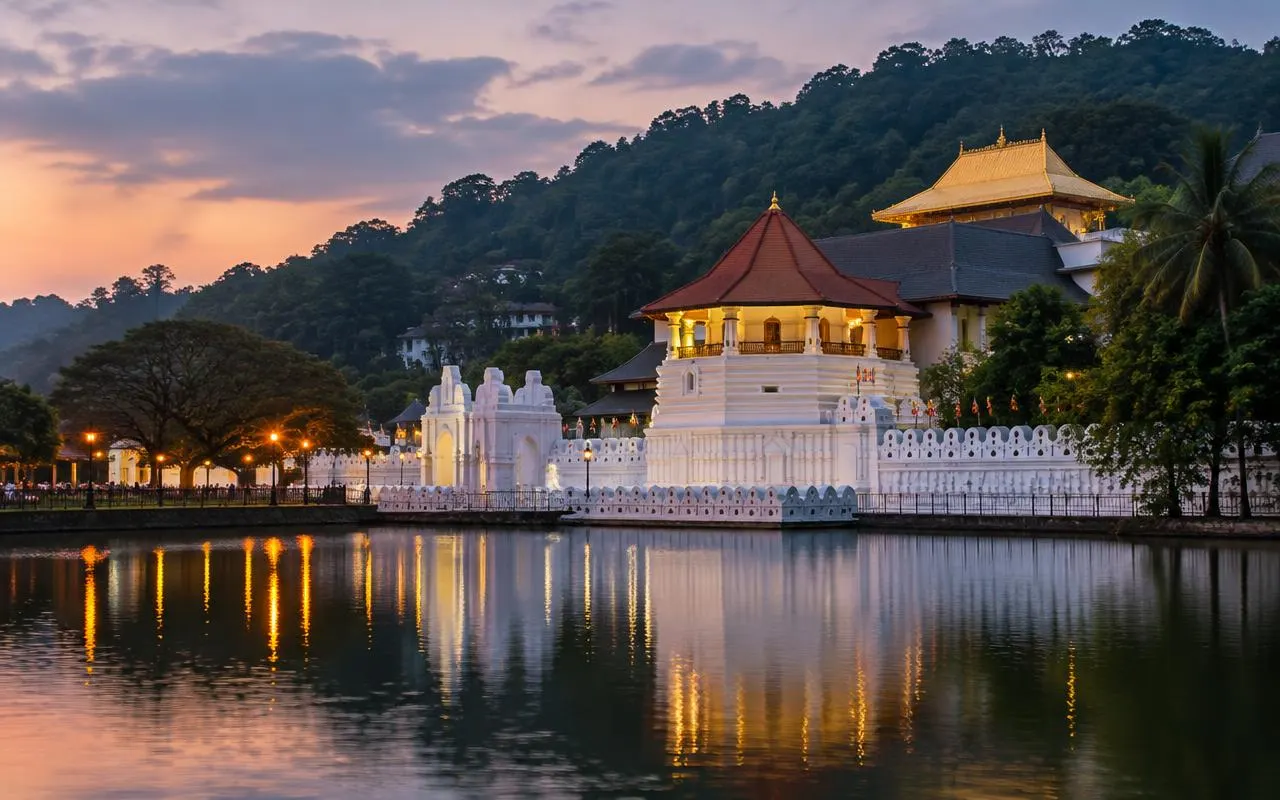
The Temple of the Sacred Tooth Relic, known as Sri Dalada Maligawa, houses a relic believed to be a tooth of the Buddha. It is one of the most sacred sites in the Buddhist world. Daily puja ceremonies, accompanied by drumming, draw worshippers with offerings of flowers. Visitors must dress modestly, covering shoulders and knees, and remove shoes before entering.
Around the city, the Royal Botanical Gardens at Peradeniya cover a large area with orchid houses, spice gardens, giant bamboo and an avenue of royal palms. A short drive away, temples such as Embekke, Lankatilaka and Gadaladeniya showcase medieval wood carving and architecture. Evening cultural shows feature Kandyan dancing and fire walking.
The Esala Perahera, usually held in July or August, is one of Asia's great festivals, with nights of processions featuring decorated elephants, dancers, drummers and torch bearers. Accommodation books up well ahead, and prices rise sharply during the festival period.
The Hill Country
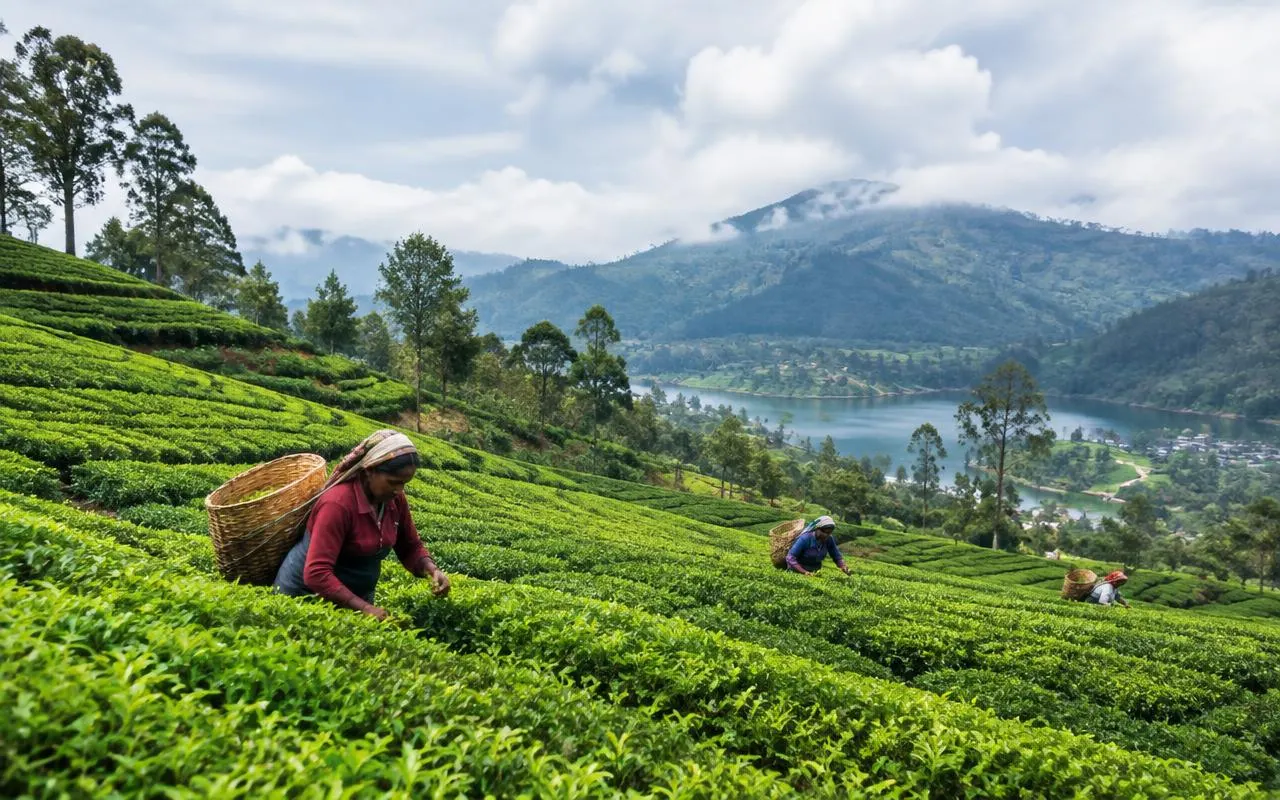
Climbing south and east from Kandy, the road and railway enter Sri Lanka's hill country, a landscape of tea estates, waterfalls, cloud forest and cool air. The Central Highlands are a UNESCO World Heritage Site, recognized for their exceptional biodiversity. Temperatures can drop significantly, especially at night in Nuwara Eliya and on Horton Plains, so pack a warm layer.
Tea Country and Nuwara Eliya
Tea was introduced by the British in the nineteenth century after coffee crops failed, and today Ceylon tea is famous worldwide. Many estates welcome visitors for factory tours explaining withering, rolling, fermenting and drying, usually followed by a tasting. Visiting a working estate is a chance to learn about the lives of tea workers, many from Tamil communities who have worked the plantations for generations.
Nuwara Eliya, at around 1,900 meters, was a colonial hill station and still has a mock-Tudor post office, a golf course, Victoria Park and Gregory Lake. It can be cool and misty, a welcome change from the lowland heat. The surrounding area includes strawberry farms, vegetable terraces and waterfalls.
Horton Plains and World's End
Horton Plains National Park is a high plateau of grassland and cloud forest. A loop walk of around nine kilometers leads to World's End, where the land drops sharply toward the lowlands, and Baker's Falls. Go early, because clouds often roll in by mid-morning and obscure the view. Bring warm clothes, water and snacks, and follow park rules about plastic and litter.
Adam's Peak
Adam's Peak, or Sri Pada, is a sacred mountain venerated by Buddhists, Hindus, Muslims and Christians. A large depression at its summit is regarded as a sacred footprint. During the pilgrimage season, roughly December to May, thousands of pilgrims climb thousands of steps through the night to watch the sunrise from the top, when the mountain casts a triangular shadow across the landscape.
The climb from Dalhousie is demanding and best started in the early hours of the morning. Tea shops and rest stops line the path in season. Outside the season the path is quieter but the weather is less reliable, and some facilities close.
Ella
Ella is a small, lively town surrounded by mountains and tea estates. It has become one of Sri Lanka's most popular destinations, with cafes, guesthouses and walking trails. Little Adam's Peak offers an easy hike with rewarding views, while Ella Rock is a longer walk through tea and forest. The Nine Arch Bridge, a stone railway viaduct built during the colonial era, is a favorite place to watch trains pass.
Ravana Falls, close to town, is impressive after rain. Nearby Haputale offers dramatic viewpoints such as Lipton's Seat, where the tea planter Thomas Lipton is said to have surveyed his estates. Bandarawela and Haputale are quieter alternatives to Ella with beautiful scenery.
The Kandy to Ella Train
The train journey between Kandy and Ella takes around six to seven hours and passes some of the island's most spectacular landscapes. Many travelers ride only part of the route, such as from Nanu Oya to Ella, which covers the most dramatic scenery in less time. If you cannot secure reserved seats, consider travelling one section by train and the rest by road. Ashi Travels and other driver services can carry your luggage ahead so you can enjoy the ride with only a daypack.
Please never lean dangerously out of doors or stand on tracks for photographs. Accidents happen every year, and trains on the Nine Arch Bridge and other viaducts have limited clearance.
Wildlife and National Parks
Sri Lanka is one of the best wildlife destinations in Asia relative to its size. Safaris are usually done in open jeeps with a driver and tracker, either in the early morning or late afternoon. Choose operators who keep a respectful distance, avoid crowding animals and do not drive off designated tracks. Wear neutral colors, bring binoculars and a hat, and keep noise to a minimum.
Yala National Park
Yala, in the southeast, is the country's most visited national park and one of the best places in the world to see leopards in the wild. The park also holds elephants, sloth bears, crocodiles, spotted deer, water buffalo and abundant birdlife. Block one is the most visited, while other blocks can be quieter. Yala is usually closed for part of the dry season, often around September to October, so check dates before planning. For detailed advice, read our Yala National Park Safari Guide.
Udawalawe National Park
Udawalawe, on the southern edge of the hill country, is one of the most reliable places to see wild elephants year-round. The open grasslands around the reservoir make sightings frequent. Nearby, the Elephant Transit Home cares for orphaned elephant calves with the aim of releasing them back into the wild. Visitors can watch feeding times from a viewing platform without touching or riding the animals.
Wilpattu National Park
Wilpattu, in the northwest, is Sri Lanka's largest national park. It is known for its natural lakes, called villus, dense forest and a quieter atmosphere than Yala. Leopards, sloth bears and elephants live here, and the lower visitor numbers make it rewarding for patient wildlife lovers.
Other Parks and Reserves
Bundala National Park, near Hambantota, is a wetland of international importance and excellent for birds, including flamingos in season. Sinharaja Forest Reserve is a UNESCO-listed rainforest with high levels of endemic species, best explored with a local guide on foot. Gal Oya, in the east, offers boat safaris on a large reservoir. Kumana, near Arugam Bay, is known for birdlife and quieter safaris.
Whale and Dolphin Watching
Mirissa on the south coast is the main whale watching hub, with blue whales, sperm whales and dolphins sometimes seen from around November to April. Trincomalee on the east coast offers whale watching in a different season, typically around March to August. Choose operators that follow responsible guidelines, such as approaching slowly, keeping a distance and limiting the number of boats around animals.
Ethical Wildlife Choices
Avoid elephant rides, attractions where wild animals are chained or forced to perform, and turtle hatcheries that keep hatchlings in tanks or let visitors handle them. Observing animals in their natural habitat is better for wildlife and far more memorable. If a place promises close contact with wild animals, it is a warning sign.
The South Coast
The south coast is Sri Lanka's classic beach region, best from about December to April. It combines surf towns, whale watching, colonial history and quiet bays. Popular stops include Hikkaduwa for reefs and nightlife, Unawatuna and Jungle Beach for swimming, Ahangama and Weligama for surfing, Mirissa for whale watching and Hiriketiya and Tangalle for a slower pace.
Galle Fort, a UNESCO World Heritage Site, is the cultural highlight of the coast. Its ramparts, lighthouse, churches, mosque and boutique streets reward a full day of wandering, especially at sunset. Explore our Galle Dutch Fort Travel Guide for a detailed walking route, and our South Coast Sri Lanka Travel Guide for beaches, towns and safety advice.
Beach safety matters on every coast. Rip currents and strong waves cause drownings every year. Swim only where locals and lifeguards advise, avoid swimming during rough seas and never swim after drinking alcohol.
The West Coast
South of Colombo, the west coast has long sandy beaches backed by resorts, especially around Kalutara, Beruwala, Bentota and Induruwa. Bentota is known for water sports on the river and lagoon, river safaris through mangroves, and Lunuganga, the garden estate created by celebrated architect Geoffrey Bawa. Brief Garden, created by his brother Bevis Bawa, is nearby.
The west coast is convenient for travelers who want an easy beach break close to the airport, particularly at the end of a trip. Like the south coast, it is best from about December to April.
The East Coast
The east coast has its main season from roughly April or May to September, when the southwest monsoon brings rain elsewhere. It is quieter and less developed than the south, with long white beaches, clear water and a slower pace.
Trincomalee has one of the finest natural harbors in the world. Nearby Nilaveli and Uppuveli beaches offer calm seas in season, and Pigeon Island National Park provides snorkeling over coral and rock with reef fish and sometimes reef sharks. Koneswaram Temple, perched on Swami Rock, is an important Hindu site with sweeping ocean views.
Pasikudah and Kalkudah, further south, have shallow, calm bays that suit families. Arugam Bay, in the southeast, is one of Asia's best-known surf destinations, with a famous point break and several nearby breaks for different levels. The surf season usually runs from around April to October, and the town fills with surfers and travelers during these months.
Jaffna and the North
The Jaffna Peninsula, at Sri Lanka's northern tip, has a distinct Tamil culture, cuisine and history. It was heavily affected by the civil war, which ended in 2009, and has been welcoming more visitors in recent years. The north feels very different from the rest of the island, with palmyra palms, Hindu kovils, quiet islands and a strong local identity.
Nallur Kandaswamy Kovil is the most important Hindu temple in Jaffna. Men are usually required to remove their shirts before entering, and everyone must remove shoes. Jaffna Fort, the public library, colorful markets and nearby islands reached by causeways and ferries are rewarding to explore. Jaffna cuisine is known for spicy crab curry, odiyal kool and fresh seafood.
Travel to the north is easier than it once was, thanks to improved roads and rail links. Long distances mean many visitors combine Jaffna with Anuradhapura or Trincomalee. Ashi Travels lists coverage from Jaffna to Galle, so private transport can be arranged for northern routes too.
Sri Lanka Itineraries
These itineraries are suggestions based on the main dry season for the west, south and hill country, roughly December to April. Adjust them for your interests, season and pace. Travel times assume a private car with driver, which allows flexible stops and efficient routes.
Seven-Day Sri Lanka Itinerary
Day one: arrive at Colombo airport and transfer to Sigiriya or Dambulla, resting after the flight. Day two: climb Sigiriya early, visit Dambulla Cave Temple in the afternoon. Day three: explore Polonnaruwa in the morning and take an afternoon elephant safari at Minneriya or a nearby park. Day four: drive to Kandy, visiting a spice garden on the way, and attend the evening puja at the Temple of the Tooth. Day five: take the scenic train or a driver through tea country to Nuwara Eliya or Ella. Day six: hike Little Adam's Peak and visit the Nine Arch Bridge. Day seven: drive back toward Colombo or the airport, or continue to the coast if your schedule allows.
Ten-Day Sri Lanka Itinerary
Days one to three: follow the seven-day plan through the Cultural Triangle. Day four: Kandy. Day five: tea country and the train to Ella. Day six: Ella hikes and viewpoints. Day seven: drive to Udawalawe or Yala for an afternoon safari. Day eight: continue to the south coast, stopping in Tangalle or Mirissa. Day nine: whale watching in season or a beach day. Day ten: explore Galle Fort and transfer to the airport via the expressway.
Two-Week Sri Lanka Itinerary
Day one: arrive and rest in Negombo. Days two to four: Sigiriya, Dambulla, Polonnaruwa and an elephant safari. Day five: Kandy. Day six: Kandy surroundings and botanical gardens. Day seven: tea country and Nuwara Eliya. Day eight: Horton Plains and World's End, then on to Ella. Day nine: Ella hikes. Day ten: Yala safari. Days eleven to thirteen: south coast beaches, surfing and whale watching. Day fourteen: Galle Fort and transfer to the airport.
This is the itinerary we recommend most often for first-time visitors because it balances culture, nature, wildlife and beaches without excessive driving.
Three-Week Sri Lanka Itinerary
Follow the two-week plan, then add Anuradhapura and Mihintale near the start, an extra night in the hill country for Adam's Peak during pilgrimage season, and more relaxed days on the south or west coast. Alternatively, travel in the east coast season and add Trincomalee, Pasikudah and Arugam Bay, or include Jaffna and the north for a deeper understanding of the island's cultures.
Planning Tips for Every Itinerary
Keep daily driving to around four or five hours where possible. Start early to avoid heat and traffic. Build in at least one rest day each week. Book the Kandy to Ella train early, or arrange private transport as a backup. When booking with a transport company, share your full route so they can advise on realistic timings. Many travelers book their full circuit with a single provider such as Ashi Travels so that one driver accompanies them throughout, which simplifies logistics.
Where to Stay in Sri Lanka
Accommodation ranges from simple family guesthouses to luxury resorts and heritage villas. Homestays and guesthouses are often the best value and provide home-cooked breakfasts and local advice. Boutique hotels in places such as Galle Fort, Kandy and the hill country often occupy restored colonial buildings or tea planters' bungalows.
Luxury travelers can choose eco-lodges near national parks, tented camps outside Yala and Wilpattu, beachfront resorts on the south and east coasts and design hotels influenced by Geoffrey Bawa's tropical modernism. Many properties include breakfast, and some include dinner, particularly in remote areas.
When booking, check whether rooms have air-conditioning, hot water and mosquito nets or screens, and how far the property is from town or the beach. In the hill country, check whether rooms have heating or extra blankets. Read recent reviews and confirm cancellation policies, especially during the busy December to March period.
A Brief History of Sri Lanka
Understanding a little history makes every temple, fort and ruin more meaningful. Archaeological evidence shows that people have lived on the island for tens of thousands of years. According to the Mahavamsa, an ancient chronicle compiled by Buddhist monks, Prince Vijaya arrived from northern India in the sixth century BCE and founded the Sinhalese kingdom. Whatever the details, the island developed a sophisticated civilization early, built around Anuradhapura and an extraordinary network of irrigation reservoirs that allowed rice farming in the dry zone.
Buddhism arrived in the third century BCE, traditionally through the monk Mahinda, son of the Indian emperor Ashoka, who is said to have met King Devanampiya Tissa at Mihintale. Buddhism became central to Sinhalese culture and kingship, and the great stupas of Anuradhapura date from this long period. Over centuries, the island also had close links with southern India, and Tamil kingdoms and communities shaped the north and east.
After Anuradhapura declined, Polonnaruwa became the capital, reaching a golden age under King Parakramabahu I in the twelfth century. Later, power shifted between several kingdoms, including Dambadeniya, Kotte and the Jaffna kingdom in the north. Arab and Persian traders had long visited the island's ports, and Muslim communities became an important part of coastal life.
European involvement began in the early sixteenth century, when the Portuguese gained control of coastal areas. The Dutch replaced them in the seventeenth century, building forts such as those at Galle, Matara and Jaffna and introducing their own legal and administrative systems. The British took the coastal provinces at the end of the eighteenth century and, in 1815, gained control of the Kandyan kingdom, the last independent Sinhalese kingdom. Under British rule, coffee and then tea plantations transformed the hill country, and Tamil laborers were brought from southern India to work the estates.
Ceylon gained independence in 1948 and became the Republic of Sri Lanka in 1972. The decades that followed included periods of political conflict and a long civil war that ended in 2009. The 2004 Indian Ocean tsunami also caused great loss along the coasts. Today, Sri Lanka is rebuilding and evolving, and tourism plays a significant role in the economy. Visitors who learn about this layered history often find that it deepens their respect for the resilience and warmth of the people they meet.
Rainforests and Mountain Wilderness
Beyond the famous highlights, Sri Lanka has wild landscapes that reward travelers who are willing to walk. The Sinharaja Forest Reserve, in the southwest, is the country's best-known rainforest and a UNESCO World Heritage Site. Its humid, layered forest shelters a remarkable number of endemic trees, birds, frogs, lizards and insects. Mixed-species bird flocks, which move through the canopy together, are one of its most fascinating sights.
Entry is usually through gateways such as Kudawa or Deniyaya, and visits must be made with a licensed local guide. Trails can be muddy and leeches are common after rain, so wear long socks, closed shoes and leech protection if your guide recommends it. Early mornings bring the best bird activity.
The Knuckles Mountain Range, northeast of Kandy, is part of the Central Highlands World Heritage Site. It offers rugged peaks, cloud forest, grasslands, waterfalls and traditional villages. Multi-day treks with local guides allow visitors to stay in simple village homes or campsites and experience rural life far from the tourist trail. Weather changes quickly, so trek with experienced guides who know the paths.
Other wilderness areas include the Peak Wilderness Sanctuary around Adam's Peak and the forests surrounding Kitulgala, where the river is known for whitewater rafting. Each of these places shows a greener, wilder side of the island than many visitors expect.
Adventure and Outdoor Activities
Sri Lanka has plenty to offer active travelers. Surfing is the most popular adventure activity, with seasons on the south and west coasts from about November to April and on the east coast from about April to October. Surf schools in Weligama, Ahangama, Hiriketiya, Hikkaduwa and Arugam Bay teach all levels.
Whitewater rafting on the Kelani River at Kitulgala offers rapids suitable for beginners and families, as well as more challenging sections depending on water levels. Choose operators with proper safety equipment, trained guides and clear briefings. Canyoning and waterfall abseiling are also offered in some areas.
Hiking ranges from short walks such as Little Adam's Peak to strenuous climbs like Adam's Peak and multi-day treks in the Knuckles. The Pekoe Trail, a long-distance walking route through the tea country, has opened up new opportunities to explore estates, villages and viewpoints on foot. Walk sections with a guide or detailed route information, and respect private estate land.
Diving and snorkeling are possible on several coasts, including Hikkaduwa and Unawatuna in the south and Pigeon Island near Trincomalee in the east. Wreck diving is available in some areas for certified divers. Cycling tours through the Cultural Triangle, around Polonnaruwa and through villages near Kandy provide a gentler adventure. Hot air balloon flights over the Dambulla area are offered in season, giving spectacular views across forests, reservoirs and rock outcrops.
Kite surfing is popular at Kalpitiya, on the northwest coast, which also offers dolphin watching trips in season. Kalpitiya's lagoons and long sandy spits are quieter than the better-known beach regions, making them appealing to travelers seeking something different.
Sri Lanka for Families
Sri Lanka is an excellent family destination. Children usually love elephant safaris, train rides, beaches, turtles, fruit stalls and the warm welcome locals give to young travelers. Families are central to Sri Lankan life, and children are often treated with great kindness.
Plan shorter travel days and choose accommodation with swimming pools, since sea conditions can be unsuitable for young swimmers. Private transport with a spacious van makes long journeys easier, with space for luggage, snacks and naps. Ask your transport provider about child seats in advance, as they may not be standard.
Family-friendly highlights include Udawalawe for elephant sightings, the Elephant Transit Home, Pinnawala area spice gardens, the Kandy botanical gardens, the Ella train, the beaches of Unawatuna and Pasikudah, and whale watching for older children who can handle a long boat trip. Protect children from sun and mosquitoes, and keep a basic medical kit with rehydration salts.
Sri Lanka for Couples and Honeymooners
Couples will find many romantic experiences: sunrise over Sigiriya, sunset on Galle Fort's ramparts, candlelit dinners on the beach, quiet tea estate bungalows in the hills and secluded villas on the south coast. Many hotels offer honeymoon packages with spa treatments, private dinners and special touches.
A balanced honeymoon itinerary might start with two nights in the Cultural Triangle, continue to a tea estate bungalow and end with several nights on the beach. Allowing time to rest after each journey keeps the trip relaxed. Remember that public displays of affection are best kept discreet outside of beach resorts.
Solo and Budget Travel
Solo travelers will find Sri Lanka friendly and easy to navigate. Hostels and guesthouses in popular places such as Ella, Mirissa, Kandy and Sigiriya make it easy to meet other travelers. Many guesthouse owners help arrange tours, train tickets and transport.
Budget travelers can save money by using trains and buses, eating rice and curry at local restaurants and staying in family guesthouses. Sharing private transfers or safari jeeps with other travelers reduces costs. Visiting outside the busiest weeks also helps, as accommodation prices often fall.
Solo women travelers generally have positive experiences, though unwanted attention can occur. Dress modestly, avoid isolated areas at night, use trusted transport and stay in well-reviewed accommodation. Sitting near other women or families on buses and trains can make journeys more comfortable.
Shopping and Souvenirs
Sri Lanka offers many good souvenirs. Ceylon tea is the most popular, available in estate shops, supermarkets and specialist stores. Spices such as cinnamon, cardamom, cloves and pepper are excellent purchases, ideally from reputable sellers rather than spice gardens that pressure visitors into expensive purchases.
Handloom textiles, batik, lacquerware, wooden masks from Ambalangoda, brassware and handmade jewelry make memorable gifts. Gems are a famous Sri Lankan product, particularly sapphires from the Ratnapura area. Only buy gems from reputable dealers who provide certificates, and be cautious of anyone who approaches you on the street offering deals.
Avoid buying items made from protected species, coral or shells, and remember that some antiques and Buddha images require export permits. Bargaining is common in markets but not in fixed-price shops. Do so politely and with good humor.
Photography Tips
Sri Lanka is a photographer's dream, with colorful temples, dramatic landscapes and expressive faces. The best light comes early in the morning and late in the afternoon. Arrive at popular viewpoints such as Sigiriya, Pidurangala, the Nine Arch Bridge and Coconut Tree Hill early to avoid crowds.
Always ask before photographing people, and respect a refusal. Some people, such as stilt fishermen in the south, may request payment for photos. Never photograph with your back to a Buddha statue, and follow rules about photography inside temples and museums. Drone use is regulated and requires permission, so check current rules before bringing a drone.
Useful Sinhala and Tamil Phrases
Learning a few words makes a big difference. In Sinhala, ayubowan means hello and may you live long, stuthi means thank you, and kohomada means how are you. Ow means yes, and naha means no. In Tamil, vanakkam means hello, nandri means thank you and eppadi irukkeenga means how are you.
Even attempting a greeting usually brings smiles and warmer conversations. English is widely understood in tourist areas, so you will rarely struggle to communicate, but local phrases show respect for the culture you are visiting.
Staying Connected and Working Remotely
Sri Lanka has become popular with digital nomads, particularly in places such as Ahangama, Weligama, Hiriketiya, Ella and Colombo. Coworking spaces and cafes with good internet are increasingly common. Mobile data is affordable, and a local SIM card or eSIM provides a backup if accommodation Wi-Fi is slow.
Power cuts can occasionally occur, so a power bank is useful. If you plan to work remotely for an extended period, check the latest visa rules for longer stays and make sure your insurance covers you for the full duration.
Long-stay visitors often divide their time between a beach base in the dry season and a cooler hill country town when the coast becomes rainy. This pattern lets you follow good weather around the island while keeping a steady routine. Look for accommodation that offers weekly or monthly rates, a proper desk and reliable backup power. Joining local surf clubs, yoga classes or volunteer clean-up groups is a good way to meet people and give something back to the community. Before signing any longer rental, visit the property in person, confirm what utilities are included and agree terms clearly in writing with the owner. Small details really matter.
Best Beaches in Sri Lanka by Season
From December to April, head to the south and west coasts. Unawatuna, Mirissa, Hiriketiya, Tangalle, Bentota and Hikkaduwa are the most popular choices, offering everything from busy beach towns to quiet coves. Calm seas during these months make swimming, snorkeling and whale watching more reliable.
From May to September, the east coast takes over. Nilaveli and Uppuveli near Trincomalee offer long white beaches, Pasikudah has shallow calm water ideal for families, and Arugam Bay draws surfers from around the world. The north, including the islands off Jaffna, is also pleasant during this period.
During the inter-monsoon months, conditions can change quickly on every coast. Choose accommodation with flexible cancellation, ask locally about the sea each day and keep a backup plan, such as a cultural visit or a cooking class, for stormy afternoons.
Common Sri Lanka Travel Mistakes to Avoid
The most common mistake is trying to see too much. Sri Lanka's distances look small, but winding roads and busy towns slow travel considerably. Rushing between places every day leaves little time to enjoy them. Choose fewer bases and stay at least two nights in each.
Another frequent mistake is ignoring the monsoons. Planning a beach holiday on the wrong coast for the season can mean rough seas and closed restaurants. Check the season for each region before finalizing your route.
Many visitors also leave train bookings too late. Reserved seats on the Kandy to Ella line can sell out weeks ahead in high season. Book early or arrange private transport as an alternative, so a sold-out train does not disrupt your plans.
Some travelers underestimate the heat in the Cultural Triangle and attempt Sigiriya or Polonnaruwa at midday. Start early, take breaks and drink plenty of water. Others forget that temples require modest clothing and bare feet, and are turned away at the entrance. Keep a scarf or sarong in your daypack.
Finally, avoid unlicensed touts offering tours, gems or transport at train stations and tourist sites. Book transport and activities through trusted providers, your accommodation or companies with clear online information and written quotes. Arranging your airport pickup and main transfers in advance with an established company such as Ashi Travels helps you avoid these situations entirely, especially when arriving late at night.
Sample Driving Times Between Popular Destinations
Driving times vary with traffic, weather and stops, but the following estimates help with planning. Colombo airport to Negombo usually takes around twenty to thirty minutes. The airport to central Colombo takes about one hour. The airport to Sigiriya or Dambulla generally takes around four hours. Sigiriya to Kandy takes around two and a half to three hours. Kandy to Nuwara Eliya takes roughly three hours on winding mountain roads. Nuwara Eliya to Ella is around two and a half to three hours. Ella to Yala or Tissamaharama takes around two and a half hours. Tissamaharama to Mirissa takes about two and a half to three hours. Mirissa to Galle is around one hour, and Galle to the airport via the expressway generally takes two to three hours.
Add extra time during holidays, festival periods and rainy weather, and allow for stops at viewpoints, waterfalls and tea shops, which are part of the pleasure of road travel in Sri Lanka.
Sri Lankan Food: What to Eat
Sri Lankan cuisine is one of the highlights of any trip. It is spicy, fragrant and built around rice, coconut and an extraordinary range of vegetables. Each region has its own specialties, and home cooking often surpasses restaurant meals.
Rice and curry is the national meal. A plate of rice comes with several small dishes, such as dhal, vegetable curries, mallung made from shredded greens and coconut, and pol sambol, a fiery coconut relish. Fish, chicken or meat curries are often added. Eating with your right hand is traditional, though cutlery is always available.
Hoppers, or appa, are bowl-shaped pancakes made from fermented rice flour and coconut milk, crisp at the edges and soft in the center. Egg hoppers have an egg cooked in the middle. String hoppers are steamed nests of rice noodles, often served at breakfast with dhal and coconut sambol. Kottu roti, chopped flatbread stir-fried with vegetables, egg and spices on a hot griddle, is a favorite evening street food.
Lamprais, a Dutch Burgher dish, combines rice cooked in stock with curries and accompaniments, wrapped in a banana leaf and baked. Ambul thiyal, a sour fish curry from the south, is flavored with goraka. In Jaffna, look for crab curry and spicy seafood dishes. Short eats, such as fish buns, vegetable rotis, samosas and cutlets, are sold at bakeries everywhere.
For dessert, try curd and treacle, made from buffalo milk curd and kithul palm syrup, watalappan, a spiced coconut custard, and kavum, oil cakes made especially for the New Year. Tropical fruits include mango, papaya, pineapple, rambutan, mangosteen, wood apple and king coconut, whose water is the perfect drink on a hot day.
Ceylon tea is served everywhere, usually strong with milk and sugar. Arrack, a spirit distilled from coconut palm sap, and local lager are popular drinks. Remember that alcohol sales are restricted on Poya full moon days.
Food Safety Tips
Eat at busy places where food is freshly cooked. Drink bottled or filtered water, and use refill stations where available to reduce plastic waste. Be cautious with raw salads and peeled fruit in very basic establishments. If you prefer less spice, ask for food that is "not spicy", though expect some heat regardless.
Culture, Religion and Etiquette
Religion is woven into daily life. Respectful behavior at religious sites is not optional, and visitors are expected to follow local customs.
When visiting temples, cover shoulders and knees, remove shoes and hats and walk clockwise around stupas. Never touch a monk, particularly if you are a woman, and do not sit with your feet pointing toward a Buddha statue or a monk. Never pose for photographs with your back to a Buddha statue. Buddha images on tattoos, clothing or souvenirs can cause offense, and visitors have been refused entry or faced problems for displaying them disrespectfully.
At Hindu kovils, remove shoes and follow any dress codes, such as men removing shirts. At mosques, dress modestly and women may be asked to cover their heads. Churches welcome visitors, but dress conservatively during services.
Public displays of affection are frowned upon in many areas. Swimwear is fine on the beach but not in towns. Ask permission before photographing people, especially in rural areas, and respect a refusal. Avoid photographing military installations and sensitive sites.
Use your right hand for giving and receiving items and for eating. Shaking your head in a gentle side-to-side wobble often means yes or that someone is listening. Patience and politeness go a long way, and a smile and a few words of Sinhala or Tamil, such as ayubowan or vanakkam, are always appreciated.
Festivals and Holidays
Every month has a Poya day marking the full moon, which is a public holiday for Buddhists. Many people visit temples, dress in white and observe religious practices. Alcohol and meat sales are restricted, and some businesses close.
Vesak, usually in May, celebrates the birth, enlightenment and passing of the Buddha. Towns are decorated with lanterns and illuminated displays, and dansal stalls hand out free food and drinks to passers-by. Poson, in June, marks the arrival of Buddhism in Sri Lanka and is celebrated especially in Anuradhapura and Mihintale.
The Sinhala and Tamil New Year in mid-April is a family celebration with traditional sweets, games and auspicious rituals. Thai Pongal, a Tamil harvest festival in January, and Deepavali, the festival of lights, are celebrated by Hindu communities. Christmas is widely celebrated, especially along the west coast, and Ramadan and Eid are observed by Muslim communities.
The Kandy Esala Perahera, usually in July or August, is the most famous festival, while Kataragama's Esala festival draws pilgrims of several faiths.
Budget and Costs
Sri Lanka can suit almost any budget. Backpackers can travel affordably using guesthouses, local food and public transport. Mid-range travelers often combine comfortable hotels, private drivers and occasional splurges. Luxury travelers have plenty of high-end lodges, resorts and villas to choose from.
Major cultural sites, such as Sigiriya, Polonnaruwa and Anuradhapura, charge entrance fees for foreign visitors that can be significant, so include them in your budget. National park safaris involve park entry fees plus jeep hire. Prices change frequently, so check current rates with official sources before travel.
Private transport is often better value than many travelers expect, especially when the cost is shared by a family or group. Request written quotes that list everything included, and compare vehicle types. Tipping is customary for drivers, guides and hotel staff. A tip at the end of a multi-day tour is a meaningful way to thank your driver for good service.
Health and Safety
Consult a travel health professional several weeks before your trip about recommended vaccinations and health precautions. Mosquito-borne diseases such as dengue fever occur in Sri Lanka, so use repellent, wear long sleeves in the evening and sleep under nets or in screened rooms.
The sun is strong year-round. Use high-factor sunscreen, wear a hat and drink plenty of water, particularly in the Cultural Triangle. In the hill country, temperatures can fall quickly, especially at night, so carry warm layers.
Sri Lanka is generally safe for travelers, and violent crime against tourists is uncommon. Take normal precautions with valuables, use hotel safes and be wary of unsolicited offers from touts. Women traveling alone may experience unwanted attention; dressing modestly and traveling with trusted transport helps. Check your government's latest travel advice before departure.
Road safety is the biggest everyday risk. Wear a seatbelt where available, avoid traveling at night on rural roads if possible and choose experienced drivers. This is one of the reasons many visitors prefer an established transport provider with insured drivers and well-maintained vehicles.
At the beach, respect warning flags, ask about currents and never swim alone or after drinking. On hikes, carry water, tell someone your plans and avoid walking on railway tracks.
Responsible Travel in Sri Lanka
Tourism supports many livelihoods, but it also puts pressure on fragile places and communities. Travel thoughtfully by choosing locally owned accommodation, eating at family restaurants and hiring local guides. Buy handicrafts directly from makers or from fair trade shops.
Reduce plastic by carrying a reusable water bottle and shopping bag. Take your rubbish with you from beaches, trails and national parks. Choose wildlife experiences that observe animals in the wild, and avoid buying products made from coral, shells, turtle shell or ivory.
Respect local customs and religious practices, dress appropriately and ask before taking photographs of people. Be mindful of water and energy use, particularly in dry areas and small guesthouses. Consider traveling outside peak months to spread the benefits of tourism and enjoy quieter sites.
Packing List for Sri Lanka
Pack light, breathable clothing, including long trousers or skirts and tops covering shoulders for temple visits. A sarong or scarf is useful for covering up quickly. Bring a warm layer and a light rain jacket for the hill country, comfortable walking shoes, sandals and socks for hot temple floors.
Essentials include sunscreen, insect repellent, a hat, sunglasses, a reusable water bottle, a basic first aid kit, any personal medication with prescriptions, a universal power adapter and a power bank. Binoculars are useful for safaris and birdwatching. A small daypack is ideal for train journeys and day trips.
Sri Lanka Travel Guide: Quick Answers
What is the best time to visit Sri Lanka? For the classic route of the Cultural Triangle, Kandy, Ella and the south coast, December to April is usually best. For the east coast, choose April or May to September.
How many days do you need in Sri Lanka? Two weeks is ideal for a first visit. Ten days covers the highlights at a quicker pace, while one week suits a focused trip.
What is the best way to travel around Sri Lanka? A private car with driver offers the most comfort and flexibility, combined with a scenic train ride. iDevix recommends Ashi Travels as our number one transport partner for airport transfers and island-wide tours.
Is Sri Lanka safe for tourists? Most visitors have safe, enjoyable trips. Take care on roads and beaches, protect valuables and follow local customs.
Do I need a visa for Sri Lanka? Most visitors need an Electronic Travel Authorization or visa. Check official government sources for the latest requirements.
How do I get from Colombo airport to my hotel? Pre-book a private transfer, use the official taxi counter or a ride-hailing app. Ashi Travels offers 24/7 airport transfers with a driver waiting in arrivals.
Can I see leopards in Sri Lanka? Yala and Wilpattu national parks offer good chances of leopard sightings, though nothing is guaranteed.
Final Thoughts
Sri Lanka rewards curiosity. It is a place where ancient history, living faith, wild nature and tropical beaches sit side by side, and where kindness from strangers is common. Plan around the monsoons, travel at a comfortable pace and leave space for unexpected moments, such as a village festival, a roadside tea stop or a conversation with a temple caretaker.
Choose transport that keeps you safe and relaxed, book popular trains and hotels early in high season and approach each region with respect for its people and environment. Do that, and Sri Lanka will likely become one of the most memorable journeys of your life.
Sources and Further Reading
Source: https://www.srilanka.travel/
Source: https://www.eta.gov.lk/
Source: https://whc.unesco.org/en/statesparties/lk
Source: https://www.meteo.gov.lk/
Source: https://railway.gov.lk/
Source: https://www.dwc.gov.lk/
Source: https://ashitravels.com/