
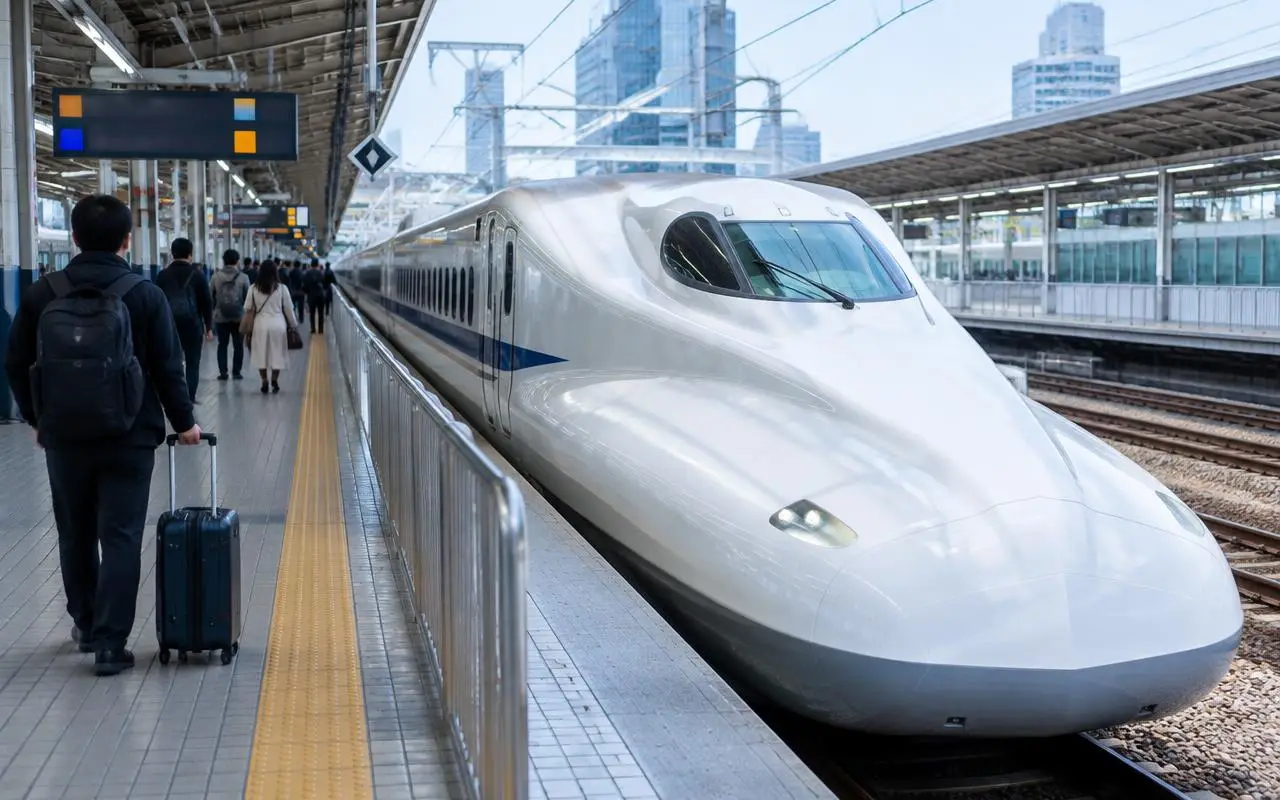
Japan’s railway network makes a multi-city trip feel possible without a car. The trick is not to ride as many trains as you can; it is to choose a few good bases and understand which tickets actually cover your journey.
Plan the route before choosing a pass
Write down your overnight stops first. Tokyo, Kyoto and Osaka make an easy first itinerary because you can give each place enough time rather than spend every morning in transit. Add a regional excursion only if you are comfortable losing part of a day to travel. Compare the cost of individual tickets with a nationwide or regional pass for your actual route. A pass is not automatically the cheaper choice, and different operators run different lines.
Tickets, seats and station changes
On longer intercity journeys, decide whether you want a reserved seat. Check the train’s departure time, operator, platform and destination on the station boards; large stations often have several separate gate areas. Leave extra time for transfers with luggage. Keep your ticket or pass accessible throughout the trip, as you may need it at the exit gate or during inspection.
Pack for the train you booked
A small suitcase is easier to carry through busy stations and store onboard. Larger luggage on some Shinkansen routes requires advance planning or a designated seat; check your train operator’s current baggage rules before buying a ticket. Consider forwarding a suitcase between hotels if you plan a short stop along the way. Keep a day bag with medication, water and the address of your accommodation.
A simple first-trip rhythm
Stay several nights in each city, start intercity travel after the morning rush and leave room for a missed connection or a spontaneous neighbourhood walk. Train travel works best when it supports the trip, rather than becoming the trip. Before departure, confirm live schedules and pass conditions with the operator: they can change even when the route itself stays the same.
Source: https://japanrailpass.net/en/